



Call 0800 1111
Bullying and cyberbullying
If you or someone you know is being bullied we’re here to help. Try our tips below or find out how to help a friend.
What is bullying?
Bullying and cyberbullying can mean lots of different things. It can happen anywhere, including online, at school or at home.
Bullying can include:
- being called names, teased or humiliated
- posting, commenting on or liking nasty photos, videos or posts about you online
- being pushed, hit or hurt
- having money and other stuff stolen
- spreading rumours or starting group chats about you
- being ignored, left out or made to feel like you're not wanted
- being threatened, intimidated or sent nasty messages
- trolling you or commenting on your posts or pictures saying nasty things
- someone revealing personal details without your permission
- targeting you over and over again in an online game.
Tips to help
- Bullying is never your fault.
- You can report and block people who bully you online.
- Don't share or comment on bullying posts.
- Tell an adult you trust, like a teacher, to help stop the bullying.
- Things can change. And there are ways you can build your confidence.
You can talk to us
Sometimes bullying can be hard to describe, especially if you're being bullied by friends.
If someone's trying to make you feel bad, that's not okay. We're here to help.
Dealing with bullying
Report it and block people
If someone’s harassing or bullying you online, you can report it on the site or app. Even if someone else has reported it, making a report yourself can make it more likely the content will be removed. Don't reply to abusive messages or posts as this can make things worse.
Keep evidence
Keep a diary of what's been happening and when, and take screenshots of online messages. This can help you prove what's been happening.
Tell someone at school
If you’re being bullied by people at school, your school has a responsibility to support you. If you have screenshots or evidence of what's been happening, show them to a teacher you trust.
Practise being assertive
Being assertive means standing up for yourself without being aggressive. It can help you feel more confident and in control when someone's bullying you.
Get support from someone you trust
You don’t have to cope with bullying alone. Talking to an adult you trust can help you to find ways to stop the bullying. If you don’t know who to talk to, talk to us.
Take a break from checking messages
It’s natural to want to see what people are saying when they’re bullying you. But taking time away from your phone or device, even for a few minutes, can help you to feel calmer.

Can I talk to the police?
Most bullying isn't against the law, but you may be able to talk to the police if someone commits a crime against you, including:
- being violent or physically assaulting you
- sexually assaulting you
- stealing things from you
- bullying you because of your race, gender or sexual identity, or if you have a disability, this is hate crime
- sharing or threatening to share a naked image of you without your permission.

If someone's making you feel scared
Sometimes bullying can be harassment or threatening behaviour, which is against the law. So if someone keeps making you feel scared on purpose, what they're doing could be illegal.
Harassment can include someone:
- lying to you about who they are
- threatening to hurt you
- sending nasty or offensive messages to you or about you.
Taking care of your mental health
Bullying can have a big impact on how you feel. Even if it's stopped it can take time to feel better. But there are things you can do to cope.
Talk about it
Telling someone how you feel can be tough, but it can really help you feel less alone.
You don't need to tell someone everything at once. You could start by choosing one person you trust to talk to. If you can't think of anyone, you can always talk to us.
If you're struggling to say what's happening out loud, you could try:
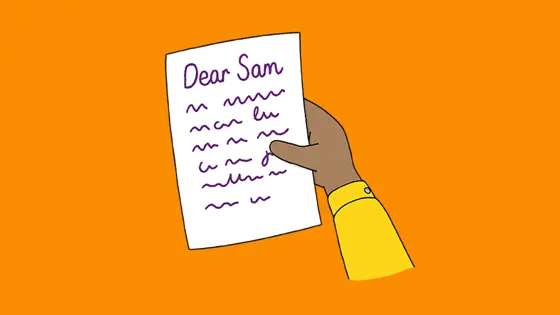
- starting the conversation by writing a letter
- speaking to a counsellor using 1-2-1 chat
- calling Childline on 0800 1111 to practise saying things out loud.
Take a break
Taking your mind off what's happening can help you have more energy to cope when things are difficult.
Why not try:
- Doing something you enjoy
You could play a game, read a book or spend time with a friend or on a hobby. Doing something you enjoy doesn't mean you have to achieve something, the important thing is for it to help you feel better. - Taking a break from checking your messages
Try muting your notifications and doing something else if people are messaging you online, even if it's just for a short time. - Going for a walk
If you feel it's safe to, go for a walk or run in the park. Or try playing sports. - Creating a maze
Focus on making it as big or complex as you want. If you want to challenge yourself, try making one without taking your pen off the paper.
Distracting yourself right now
If you’re struggling with your feelings, try moving away from anything that might distract you and take a few deep breaths. Focus on what’s around you and name:
- 5 things you can see
- 4 things you can touch or feel
- 3 things you can hear
- 2 things you can smell
- 1 thing you can taste
Let your feelings out
Bottling up your feelings can make them hard to cope with. But there are lots of ways you can let them out. Why not try:
- Being creative
Try drawing or scribbling on paper, or making an image with the Art box. You could try using different colours to represent different emotions. - Writing it down
Write down what's happened and how it made you feel. Or write a letter to someone saying what's happening. You don't have to keep what you write, you could even tear it up. - Listening to music
Try listening to music that matches how you feel. Or if you want to distract yourself, listen to music that makes you happy or a podcast. - Telling someone
You could tell someone everything or just a little. If you're not sure who to talk to, try talking to Childline. - Writing a poem
Write a poem about how you're feeling now. Or keep your mind busy by coming up with limericks or rhyming poems. - Making a comic book
You could make a comic about what's happening, what you'd like to happen or something completely different. - Keeping a diary
A diary can help you keep track of what's happened so that you can show an adult you trust, but you can also use it to write about how it makes you feel. - Dealing with your anger
Some people can feel angry after being bullied. But hitting back or hurting someone can get you into trouble and make you unsafe. Try hitting a pillow or shouting when you're angry instead.
Build your confidence
Bullying can have a big effect on your confidence. You might be worried about going out or spending time with people, which can really affect your mental health.
Doing something small every day can really help you to feel better and build your confidence.
Feeling better with positive statements
Saying positive statements to yourself can help when you're feeling low or like the bullying's your fault. You could say them out loud or in your head.
Focus on positive things happening now and try making some up yourself. Or use some of the examples below:
- "The bullying isn't my fault"
- "I deserve to have a life without bullying"
- "Today is only one day"
- "Things can change"
- "I'm strong enough to keep trying".
Get into a healthy routine
Making sure you have a healthy routine and taking care of yourself can have a big impact on your mental health.
Having a healthy routine includes:
- making sure you get enough sleep
- eating healthily and not having too much junk food
- doing something every day that makes you feel good or proud
- spending time with people who make you happy
- exercising or spending time outside.
Get help if you're struggling
Your mental health is just as important as your physical health. And if you're worried about it, it's important to get support.
You can talk to your doctor about anything you might be feeling. Big or small. If you're not sure where to start, you can use sites like DocReady to help make a list of your symptoms.
Self-harm and suicide
Lots of young people talk to us about feeling suicidal and wanting to self-harm. If you're feeling this way, it's good to tell your doctor about it or you can always talk to us.
Watch: How to cope after bullying

Supporting someone who's being bullied
It can be difficult to know where to start with helping someone who's being bullied. But just a few words of support and showing that you care can make a massive difference.
 Let them know you're there for them
Listening and letting someone who's being bullied know you're there if they want to chat can make a massive difference. Chatting to them regularly and saying you're there for them can help them feel less alone.- Help them to get support
You could offer to go with them to report the bullying and help them think about what they want to say. Or you could help them report it on social media. - Think before you like or comment on something
Liking, sharing or commenting on a post designed to bully someone can make it more popular and visible, even if you're not supporting it. Don't respond to a post, even if you're not sure if it's meant to bully someone. - Help to distract them
Help them to take their mind off things for a short while. You could watch a film, play sports or a game together. - Be positive around people
Whether it's posting positive things online, or being friendly to people at school, being positive can help lots of people to feel better.
help IF YOU'RE BULLYING SOMEONE
Bullying someone else isn’t okay. But if you’re doing it and want to stop, there are things you can do:
- Recognise what you're doing is bullying
You might want to dismiss what’s happened as just a joke, or think that it’s okay because you’re not the only one. But sending nasty messages, sharing a post or liking something that’s been made to make someone feel bad, is bullying. It can be hard to accept this and we've got advice to help if you're feeling guilty.
- Delete and don’t send any more posts or messages
Stop whatever you were doing to bully someone, don't post or share things and don't message the person. Go back and delete old posts or messages.
- Don’t stay on group chats or pages
Even if you don’t participate, if you stay on a group chat then you’re encouraging other people.
- Say sorry
Apologise to the person you bullied or sent messages to. Offer them support if you can, but respect their wishes if they don’t want to talk to you.
- Encourage others to stop bullying too
Talk to others who've been bullying and encourage them to stop. Sometimes it only takes one person to make a big change.
- Plan for the future
Think about how you want to behave online in the future, and what you could do if you want to do this again. Try asking an adult for help if you're struggling with difficult feelings.
Get more support



This site is protected by reCAPTCHA and the Google Privacy Policy and Terms of Service apply.