

Call 0800 1111
Sport and exercise
Exercise gives you a healthy mind and body. But if you're facing any problems in sport, or struggling to get into it, we're on your side.
Getting active
Sport and physical activity make you fitter and improve your mental health. Exercise helps you deal with stress and can help you overcome new challenges.
And sport isn't only for people who are really ‘sporty’ or competitive. It’s important to find what you like doing. It could be a team sport like football, netball or hockey. Or it could be individual like running or yoga.
We also know sport can sometimes be stressful. You might get picked for the team last. Or it might feel like there's loads of pressure on you. But whatever it is, we’re here to help.
5 great things about sport:
- keeps you fit and healthy
- improves your mental health
- can help you make friends - or give you time to yourself
- helps you deal with stress
- can boost your confidence.
Bullying in sport
Sport is for everyone, and nobody has the right to bully or leave you out.
Some sports are really physical, and it’s natural that you might get knocked sometimes. But if someone is intentionally hurting you, saying nasty things or singling you out then that could be bullying.
It’s not always clear what’s bullying and what’s not. If you’re worried, you could ask:
- your coach or teacher
- your parent, carer or an adult you trust
- someone at your sports club
- a Childline counsellor.
Dealing with pressure in sport
Lots of sports are competitive, which means you might feel pressure to win or do well. You might be pushing yourself to do well, or someone else might be pressuring you.
Pressure can be a good thing sometimes, but not if someone’s hurting you or making you feel bad about yourself. Whatever’s happening, if something is stopping you enjoying sport then it’s important to get help.
If you’re feeling pressured in sport, there are things that can help:
- focus on how YOU thought you played, not on what other people think
- take a break when you need to, especially if you’re upset or frustrated
- try asking other people how you could improve, rather than focusing on things you don’t do well
- tell someone you trust or talk to Childline if something doesn’t feel right or if someone’s hurting you
- if pressure keeps stopping you from enjoying your sport, think about asking for a different coach, or joining a different team.
Staying safe in sport
Your sport coaches and teachers are there to help teach you and keep you motivated. But nobody has the right to abuse or hurt you, even if they want to motivate you.
Abuse can mean:
- hitting or hurting you if they think you haven’t done well enough
- saying nasty things to you or putting you down constantly
- make unhealthy changes to your diet or take supplements you’re not sure about
- making you train when you’re hurt or you’re in pain
- pressuring or forcing you to do something sexual, or to get changed in a way that makes you feel uncomfortable.
Abuse is never okay. If you’re not sure about what’s happening, or you want to get support there are lots of ways to get help:
- tell an adult you trust about what’s happening
- speak to the NSPCC Helpline on 0800 056 0566 for advice
- talk to a Childline counsellor about what’s happened
tackling body image issues
This Girl Can
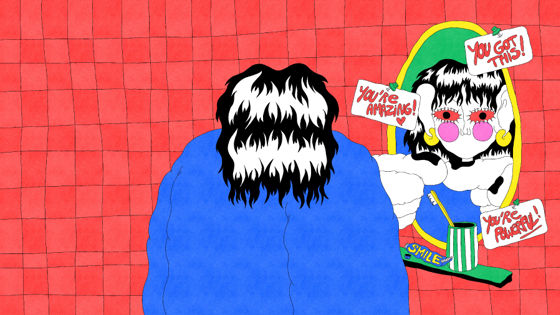
Exercise is a great way to build confidence and start feeling more positive about yourself. To stop body image issues get in the way, try to:
- know that exercise doesn’t have to mean being the best in the football team, it can also mean jogging, skipping or cycling
- remember there’s no such thing as the “wrong” body for sport or activity
- know that how you see yourself isn't always how other people see you
- talk to someone you trust, like a Childline counsellor
- write a list of things you like about yourself.
sexual abuse and sport
You have the right to be safe when you play a sport. This also means not being abused in any way.
Sexual abuse is when someone is forced, pressurised or tricked into taking part in any kind of sexual activity with another person.
Anyone can be sexually abused, both girls and boys. If you're worried about sexual abuse in your sports team or club, it’s important to get help.
Any kind of abuse is always wrong. It’s not your fault and you don’t have to cope on your own. Get support from our counsellors.
Finally feel like I can
Talk
Discrimination in sport
Discrimination in sport is not okay. You should be able to play a sport you enjoy, no matter what your race, age, gender, religion or sexuality is.
However, sometimes leagues and teams are based on things like age or gender. Some teams might only have girls in them and other teams might just have boys. Often sports teams will only include people who are the same age, so that when you play you're competing against people of a similar ability to you.
But if you do experience discrimination, you don’t have to face it alone. Talk to someone you trust – this might be someone in your sports club, or someone at home or school. It’s important that you feel comfortable with whoever you choose to talk to.
If you're at a football match and see any kind of discrimination (for example, homophobia or racism) then you can report what happened anonymously through the Kick it Out app.
Sports for young people with a disability
Playing sport with a disability
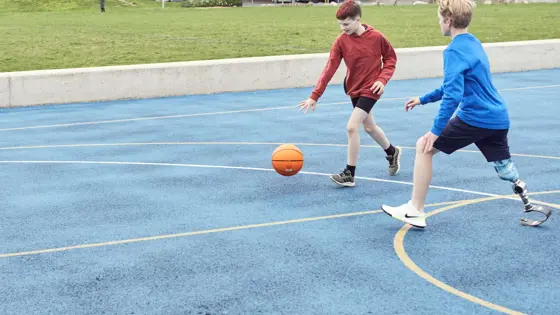
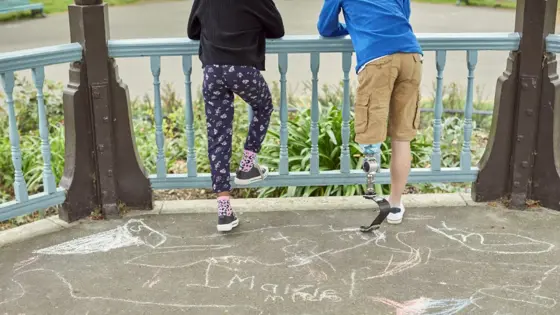
Lots of young people with a disability play all types of different sports. Many people find being active and playing sport is a great way to keep fit and build up confidence. Playing sport can also be a great way of making new friends.
Check out English Federation of Disability Sport’s events listings to find out about sporting events for disabled people all over the UK. Their website also has information about sport and disability aimed at people living in England. For more information about sport for people with a disability in the other UK nations, look at:
Scottish Disability Sport (or phone 0131 317 1130)
Disability Sport Wales (or phone 0845 846 0021)
Disability Sports NI (or phone 028 9038 7062 or text phone 028 9038 7064)
6 British athletes with disabilities who won medals at the Paralympics in 2012
- Sarah Storey (cyclist) – 4 gold
- David Weir (wheelchair athlete) – 4 golds
- Sophie Christiansen (equestrian) – 3 golds
- Eleanor Simmonds (swimmer) – 2 golds, 1 silver, 1 bronze
- Natasha Baker (equestrian) – 2 golds
- Hannah Cockroft (wheelchair athlete) – 2 golds
Homophobia in sport
Lots of people who play or watch sport are completely accepting of LGB people. Many will be LGB themselves. However, some people may occasionally say homophobic things. Homophobia is not okay. And saying its 'just banter' isn't an excuse.
If you feel people are being homophobic towards you, it's okay to tell an adult you trust. This could be your coach. Or another adult involved in your team. If you don't feel you can talk to them, you could try talking to a teacher or family member.
There are some sports clubs and organisations set up especially for LGB people. You could take a look at Pride Sports for more information.
Sometimes when people are watching sport, they might make homophobic chants towards the players. Even if lots of people are doing it, this is not okay. You shouldn't feel like you have to join in.
There are ways to report homophobic abuse without anyone knowing it was you who made the report. If you're at a football match and see homophobic abuse (or any other kind of discrimination), you can use the Kick It Out app to report what happened. You can also report any abuse you hear to a steward during or after a sporting event.
feeling
argh!
Working in a team
Get more support
This site is protected by reCAPTCHA and the Google Privacy Policy and Terms of Service apply.