

Call 0800 1111
Worries about puberty
Lots of changes can happen during puberty, and it’s natural to have worries or questions about it. Get advice about what’s happening or where to go for help.
Feeling worried
During puberty, you might be worried about:
- feeling different to people around you and worrying about what’s ‘normal’
- how you look, spots or changes to your body
- being bullied or sexually harassed
- relationships or being sexually active
- starting puberty before or after other people
- how you’re feeling and your mental health.
Everyone can go through puberty in different ways, but sometimes you might feel like you’re the only one. You don’t have to cope alone though. We’ve got advice to help, and you can speak to us any time.
4 ways to get advice about puberty:
- Ask an adult you trust.
- Find out about how your body changes during puberty.
- Get advice from your school nurse, a pharmacist or your doctor.
- Talk to a Childline counsellor.
Coping during puberty
Your body will go through lots of changes during puberty, and it can also have an impact on how you’re feeling.
If you’re struggling with your emotions, the changes or you're feeling self-conscious, there are ways to make it easier.
- Ask questions. It’s always okay to ask questions about puberty. Scared about who to ask? Try speaking to a Childline counsellor.
- Do things that help you feel good. Try making a list of things you like about yourself or doing something kind for another person. We’ve got lots of ideas to help you boost your self-esteem.
- Take care of yourself. Take time each day to try to eat healthily, exercise and get enough sleep. Taking time to look after yourself can help you to feel better and more able to cope.
- Talk about what’s happening. You’re not alone, and talking about things with friends can show you that you’re not the only one with these feelings.
- Get support with your mental health. It’s natural to have mood swings during puberty, but if your feelings are having an impact on your daily life, it’s important to get support. Talk to an adult you trust or to one of our counsellors at any time.
Worrying about how you look
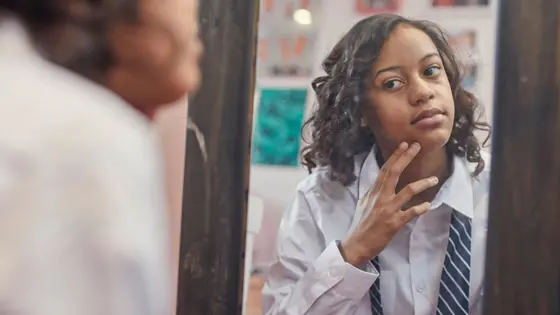
Everyone's different, and during puberty our bodies will all develop in their own ways. Sometimes this can leave you worried about how you compare to other people or if you’re good enough. But everybody deserves to feel confident and comfortable with how they look.
Comparing yourself to others
There’s no right or wrong way to look, but sometimes it can be hard to stop yourself from comparing yourself to others.
If you’re struggling with this, there are a few small things you can do to help.
- Remind yourself that social media isn’t real life. Photos on social media often have filters or are airbrushed and lots of people will only show things that make them look good, even when it’s not real. It can help to take a break if you’re comparing yourself a lot to others online. Get advice about feeling good when you’re on social media.
- Do something just for you. Go for a walk, play a game or do something you enjoy. Doing things that help you to feel good can stop you focusing on comparing yourself to others or can give you a break from things.
- Focus on things you’ve done well. Try to remember something you’ve done in the past that you’re proud of or think about how you’ve changed things since you were younger. It can be hard to think of things at first, but if you’re struggling you could try talking to a Childline counsellor about it.
- Make a change. Change your hairstyle, try a new colour or take up a new hobby. Stepping out of your comfort zone and trying something new can help to build your confidence and self-esteem.
- Do something good for another person. There are lots of ways to help other people. You could get involved in volunteering, help a friend or make time to say something nice to other people.
- Remember that things can change. Keep reminding yourself that your feelings can get better and change. Puberty can feel like it’s lasting a long time, but it will pass.
Starting puberty before or after other people
Puberty can start and finish from 8-18 years old, but that can vary a lot between people. And some young people can worry about starting before or after the people around them. You might also be worried about ‘keeping up’ with the people around you.
If you’re worried about starting puberty early or late, it’s okay to talk about it. Asking an adult you trust can help you to feel less worried, or you can always make an appointment with your doctor to get advice.
Changes to your breasts
If you’re a girl or physically female, the size and shape of your breasts can change a lot during puberty and you might find that your nipples become more sensitive than they were before. Breasts come in all shapes and sizes and they’re all normal.
6 facts about breasts:
- Lots of people have one breast which is a different size or shape than the other.
- It's normal for breasts to feel sore or tender sometimes, especially just before or during your period.
- Breasts can feel heavier or softer before a period.
- Nipples come in different shapes and sizes. They can be outward or inward.
- The area around the nipple is called the areola and it's normal for it to be a few shades darker than your breast.
- Sometimes nipples have bumps, pimples, or hairs.
You can start wearing a bra whenever you want to, or whenever you feel that it might be more comfortable wearing one. It's important to get fitted for a bra in a department store or specialist bra shop to make sure you're wearing the right size. A sports bra can give more support when you’re exercising.
If you’re having sharp pains in your breast, an ache, or you notice a lump on your breast or something that doesn’t seem usual, then it’s important to speak to a doctor. You can ask to see a female doctor if that makes you feel more comfortable.
Coping with spots and acne
Lots of young people will get spots and acne on their face or other parts of their body during puberty. Spots will usually go away on their own, but they can also leave some people feeling self-conscious or worried about how they look.
There are a few things you can do if you’re worried about spots:
- Avoid squeezing or bursting them as this can lead to scarring.
- Wash them with a mild soap and water, but don’t do this more than twice a day as it can dry your skin or make the spots worse.
- Do things each day that help you to feel good or boost your confidence.
- Speak to your pharmacists or doctor about things that might help.
Get more advice on spots and acne on the NHS website.
Worrying about your penis size
Penises are all shapes and sizes. There's no right size or shape. Whatever size your penis is, you're normal. A penis can also change size. Sometimes it might be soft and small. Other times it may get bigger and harder.
A cold temperature can affect the size of a penis and can make it smaller, but this is only temporary until it warms up again. Some penises are straight and some might be curved slightly. Both are normal.
Being bullied
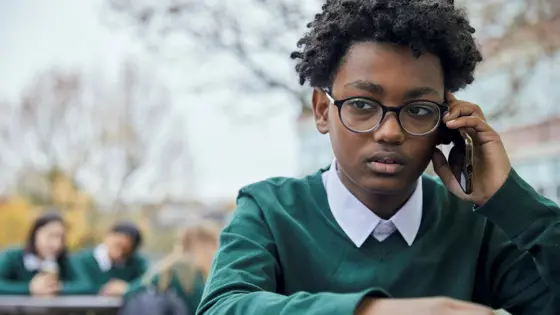
Being bullied is never okay. That includes people trying to make you feel bad for how you look, whether you’ve started bullying or about your body.
You’ve got the right to be kept safe from bullying at school or anywhere else. If you’re being bullied, it can help to:
- keep a log of what’s been happening, including copies or any messages, so you can show other people
- tell someone you trust, like a parent, carer or teacher
- avoid responding to bullies, but keep doing things that make you happy
- speak to a Childline counsellor for support.
Get more information about how to deal with bullying and cyberbullying.
Sexual harassment
It’s never okay for someone to do or say sexual things to you when you don’t want them to. It can be called sexual harassment or abuse; it’s not your fault and you’ve got the right for it to stop.
Sexual harassment can include:
- sexual advances or touching you without your consent
- objectification of you by talking about your body or asking you intimate questions
- sexual comments both in person and online, as well as sexual jokes
- showing or sending you sexually explicit pictures or videos
- talking to you about sex and porn.
Anyone can be sexually harassed. If you’re not sure if it’s happening to you or you want support, you can speak to us any time.
Watch: How to cope after bullying
Sex and masturbation
Masturbation is when you touch your body and your genitals because it feels good or pleasurable. People of any gender can masturbate and it's completely natural.
Whether you masturbate is your choice. People usually masturbate when they’re on their own, but sometimes they’ll do it with their partner. It’s not okay to masturbate in public.
If you’re worried about masturbation, it can help to remember that:
- whether you do it is your choice
- some people masturbate lots, and some don’t want to at all
- there’s no right or wrong amount to masturbate
- there’s no ‘right’ way to masturbate
- it can take time to work out what feels good for you, but that’s okay
- people masturbate at different ages
- there’s no set age that people start to masturbate.
If you want to know more, check out the information on our Facts about puberty page.
This site is protected by reCAPTCHA and the Google Privacy Policy and Terms of Service apply.