

Call 0800 1111
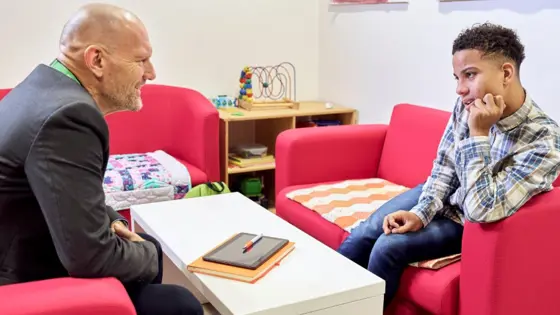
Talking to a Childline counsellor
You might feel nervous about talking to Childline, so we’ve answered some questions you might have to make it easier.
What’s talking to Childline like?
Childline is here for you 24 hours a day, 7 days a week. You can talk about anything. We won't pressure you and you can tell us as much or as little as you want to.
When you first get through to a counsellor, we'll ask what you would like to talk about. We might also ask a few questions about you to help us get to know you.
All Childline counsellors are here to listen and support you. We'll never judge you, but we can help you to think about your options and decide what you think is best.
Top tips for talking to a counsellor
- Put away or turn off any distractions while you’re talking to us if you can.
- Find a time to talk when you won't be disturbed.
- Write down or think about what you’d like to say.
- Ask questions if you're not sure about something.
- Plan something nice to do after talking..
How does it work when I contact Childline?
Calling us on 0800 1111
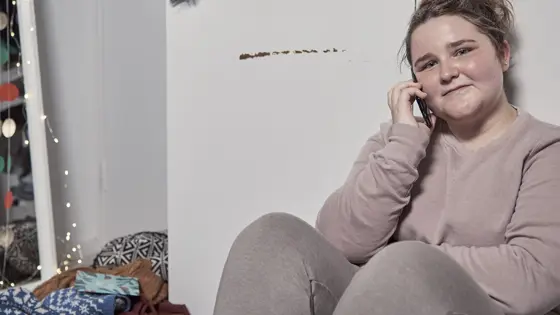
Calling Childline is completely free from any kind of phone – just dial 0800 1111.
Calling is usually the fastest way to get through and saying things out loud can be a good way to feel more in control. Saying things out loud can help you to feel better.
When you call us, you’ll get through to an automated message. You can hear more about how we work, our confidentiality and you can press 3 to speak to a counsellor.
Talking about things can be difficult sometimes, and you don’t need to say anything you don’t want to. Lots of young people call us and aren’t able to talk at first. The counsellor will go at your pace, they’re there to listen and support you.
If you’re worried or nervous about talking, they can try to help you feel more comfortable. They can also help you practice saying things out loud.
Your calls won’t show up on your phone bill and we’ve got advice on how to delete it from your call history to keep your call a secret.
1-2-1 chat
1-2-1 chats let you speak online to a Childline counsellor. You’ll need to create a Childline account to use the chats.
The counsellor will be able to support you in the same way they would over the phone, but it might take a little longer as you and the counsellor both need time to think and write things out.
It can help to say if you’re feeling nervous, a slow typer or you’re struggling to talk as the counsellor won’t always be able to realise online.
When you join the queue for a 1-2-1 chat, you’ll see how busy we are by the button being either red, amber or green. If we’re very busy, it might take quite a while to get through to someone. You’ll see lots of links to things you can do while you’re waiting, or you can plan something fun to do while you wait.
It’s important to keep checking whether the counsellor is ready. A box will appear on the website when the counsellor is ready, but they can only wait a few minutes for you to join.
As well as typing to us, you can create pictures to share and tell us about, or use emojis to show how you’re feeling. You can also record how you’re feeling before and after the chat.
To end a chat, you just need to press ‘Exit chat’.
Sending a message
Messages to Childline are sent using your Childline account, they won’t link to your email address and you’ll only be able to see them when you log-in.
Messages can be a great way to ask questions, get your feelings out and get help at times when you don’t want a reply straight away. We usually reply to emails within 24 hours, but sometimes this can take a little longer.
If you’re not sure what to write, it can help to include:
- a little about yourself, like your name and how old you are
- what’s been happening or what’s on your mind, and how it makes you feel
- any questions you might have, and what you’d like to happen in the future
- a title that says what you’d like to talk about.
If you need help with something straight away, it’s better to call us on 0800 1111 or to have a 1-2-1 chat. In an emergency, you can always call 999.
Signing to a counsellor
You can use BSL to sign to a counsellor using SignVideo.
You’ll see an interpreter on the screen to sign to, they’ll pass on what you say to a Childline counsellor. The interpreter will then translate what the counsellor says back to you.
SignVideo’s opening times:
- Monday – Friday, 8am-8pm
- Saturdays, 8am-1pm
The counsellor is there to support you with anything you want to talk about.
You can also get support from our Deaf Zone.
Talking at night
Childline works differently at night. It can take longer to get through to a counsellor between midnight and 7:30am, and we might not be able to talk to you for as long as we would during the day.
Sometimes when it’s later in the evening, we might not be able to talk to you for as long as usual.
If you can’t wait, it might be better to send an email to Childline. But calling us on 0800 1111 is the fastest way to get through to us.
Even if you can’t talk to us, we’ve got support to help you get to sleep and ideas to help you cope overnight.
.
Watch: Talking to Childline
Starting a conversation with a counsellor
The counsellors will ask questions to help you open up, but there’s no right or wrong way to start a conversation.
If you’re feeling worried or you’re not sure, we’ve got some tips to help make it easier:
- Plan what you want to say
Write down some thoughts about what you want to say or practice saying it. - Tell us if you’re finding it hard to talk
Telling the counsellor you’re finding it hard can help them to support you to feel more comfortable. - Say how you’re feeling
However you’re feeling, you can tell your Childline counsellor. It can help us to know how to best support you. - Ask us questions
You can ask counsellors anything you want. We won’t tell you about ourselves because you’re the important person and we want to focus on you, but asking about confidentiality or how we work can help you to build up your confidence. - Try dialling our number but not saying anything
This can help you to see what calling is like, you can call us as many times as you need to. - Take your time
Childline counsellors understand that it’s not easy to talk, and they can help you to feel more comfortable.

Your questions about talking to us
Can I talk to the same person every time?
Each time you talk to Childline, you’ll probably get through to somebody different.
After you talk to us the counsellor will make some confidential notes about what you’ve said. You can ask the next counsellor to read those notes to help make things easier.
Everyone you speak to at Childline is trained the same way, and they’re all here to support you.
Can I choose the gender of the person I speak to?
If you don’t feel comfortable talking to a counsellor because of their gender, it’s always okay to say that. If someone else is available, we’ll transfer you to them.
Sometimes there might not be another counsellor available, if that happens then it’s completely up to you whether you speak to the counsellor you’re talking to or try again later.
Can I speak to you more than once?
Yes. Lots of young people talk to us more than once, we’re here for you for as long as you need us.
It can help to take time after talking to us to think about what you’ve said, or try anything you’ve talked about before. When you come back, it can help as well to say how things have been since you were last on.
Even if you’ve spoken before, if you’re struggling to cope or something happens then you can come back on, and we’ll try to support you. Remember that in an emergency you should always call 999.
Is my problem serious enough?
You can talk to Childline about absolutely anything, whether you think it’s big or small.
A Childline counsellor will never tell you that what you want to talk about isn’t serious enough. Some young people contact us to ask questions or just to say hello.
We’ll also talk to you at your pace, so you don’t need to share everything at once if you don’t feel ready to.
Will you tell anyone I spoke to you?
When you talk to Childline, it’s confidential. That means we won’t tell anyone what you’ve said.
We’d only think about telling someone what you’ve said if:
- you ask us to
- we believe your life or someone else's life is in danger
- you're being hurt by someone in a position of trust who is able to hurt other children like a teacher, religious leader, sports coach, police officer or doctor
- you tell us that you're seriously hurting another person
- you tell us about another child who's being hurt and is not able to tell someone or understand what is happening to them
- we're told we have to by law, for example for a court case.
If you’re worried about whether you can talk to us without anyone finding out, you can always ask the counsellor before you say anything.
There’s lots of information on our website about Childline’s confidentiality promise.
Can I talk to more than one person when I contact you?
Your contacts with us are only ever between you and the counsellor. That means you won’t speak to more than one person, and the counsellor won’t be talking to more than one young person.
If you want someone with you when call or use the 1-2-1 chats then that’s okay, but it’s important that they let you talk. Your counsellor might also ask a supervisor for advice while you’re talking to make sure they’re giving you the best support.
Can you help me talk to other people?
Yes, we can. There are lots of ways we can help you to talk to other people.
If you want to talk to an adult you trust about what’s happening, we can help you to feel more confident and help you plan what to do.
When you want support from social services or other agencies, we can help you to get in contact with them or talk to them on your behalf.
For us to talk to someone for you, we’ll usually need to know a little about you, like your name, address and the details of the person you want us to contact.

being able to talk about
anything
whenever i want
Other ways Childline can help you
Talking to a counsellor isn’t the only way to get help from Childline. There are lots of things you can do on our website to get support.
You could try:
- using the Coping Kit to get ideas of ways to feel better
- visiting the Calm Zone for breathing techniques and ways to cope
- searching our website for information and advice
- looking at letters from other young people to Ask Sam.
Talk to our counsellors




This site is protected by reCAPTCHA and the Google Privacy Policy and Terms of Service apply.