


Call 0800 1111
Top facts about puberty
Everyone has their own experience of puberty. It's a good idea to get the facts so you know what to expect.
what to expect
Puberty is a normal part of growing up, and it can affect you in different ways. It can be scary not knowing what to expect, especially when people might say different things about what happens during puberty. Find out the top 8 facts about puberty.
Things to bear in mind:
- you'll notice changes to your body and how you feel during puberty
- it can be embarrassing talking about it, but talking to an adult can help
When puberty starts
Fact: Puberty can start at different ages - usually between 8 and 13 if you’re a girl and 9 and 14 if you’re a boy. Everyone starts puberty at different times. It’s completely normal to start before or after your friends. It’s okay to talk to your doctor or an adult you trust if you’re worried about puberty starting earlier or later.
You'll go through lots of changes during puberty and some changes are more noticeable than others. It can take up to 4 years for all the changes to happen but sometimes it’s quicker.
Spots and acne are common
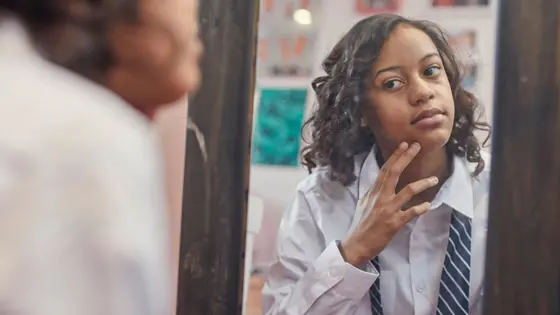
Fact: It’s normal to get spots and blackheads during puberty and you might have acne. Spots and acne are caused by your hormones, not by being dirty or not washing. Your hormones might make you sweat more too.
What is acne and what can I do?
Acne is a skin condition that looks like spots, blackheads or pimples and it’s often on your face and back. Try not to squeeze or pick your spots and always take your make up off before bed.
It can be difficult to live with and you might feel embarrassed, upset or depressed because of your acne. Remember, it won’t last forever and it can help to talk about your feelings.
Not everyone gets acne but if you do, there are gels and creams you can buy to treat it, or your doctor might prescribe medication.
It’s good to make sure you are clean and healthy by washing, showering or having a bath once or twice a day and using deodorant. Over washing can make acne worse by irritating your skin so try not to wash the area more than twice a day.

Your body shape changes
Fact: One of the first things you might notice during puberty is that your body shape starts to change.
Girls will start to develop breasts and your hips will grow rounder. It’s normal to put on some weight and to grow a bit taller during puberty
Boys will go through a growth spurt and become taller during puberty as well as becoming more muscular.
You might have food cravings as your body adapts to all the changes. Girls often put on a little weight and feel uncomfortable and bloated few days before your period.
You might get mood swings
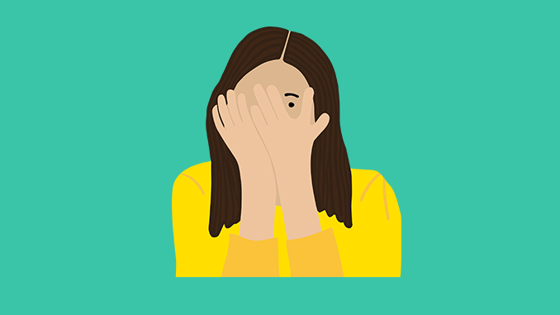
Fact: Mood swings are a normal part of puberty. You might feel like you can’t control your feelings, like feeling happy or positive one minute and irritable, grumpy or tearful the next.
Why am I getting mood swings and what can I do?
Your hormones, coping with the changes in your body and maybe having acne or body odour can all affect your mood. You might feel self-conscious or have low self-esteem and it can help to tell your friends and family that you’re finding emotions tough at the moment
Your hormone levels will start to settle down as you go through puberty and you might find that your mood swings don’t happen as often and when they do, they’re less extreme or less of a problem.
In the meantime, breathing exercises can help when your emotions feel all over the place. Try breathing in for a count of 4 and out for a count of 4 and repeat 5 times to start to feel calmer.
Staying healthy can also help. Try to eat a balanced diet, exercise regularly and a get a good night’s sleep.


is that
REALLY
what
happens?
You might get crushes
Fact: Having a crush on someone can be a normal part of puberty and growing up. It’s when you feel strongly attracted to someone and you might think about them a lot and imagine being together or having a relationship with them.
Who might I have a crush on?
Your crush might be someone younger, older or a similar age and could be someone you know or someone you don’t know. It’s not always a sexual attraction and you might have a crush on someone of the same sex if you’re straight for example.
Often your crush is someone you admire and look up to. You might like their personality, their abilities, how they behave or how they look. Your crush might never know about your feelings and trying to understand whether they have the same feelings can sometimes feel confusing or frustrating. In some situations a crush can’t develop into a relationship, especially if your crush is a celebrity or someone like your teacher.
It’s natural to have these feelings and being attracted to someone can feel nice but it can also hurt sometimes, like when the other person doesn’t feel the same way or having a relationship with them isn’t the right thing to do. If you find that thinking about your crush makes it difficult to focus on other things or stops you from doing everyday tasks, its best to talk to a trusted adult and get some support.
Masturbation is natural
Fact: Both girls and boys masturbate and it's completely natural.
Masturbation is when you touch your body and your genitals because it feels good or pleasurable. You can make yourself orgasm or 'come' by doing this. It's a way of discovering your body, how it makes you feel and what kind of things make you feel good during sex. It's a normal part of life. It’s ok to masturbate in private if you want to and it’s not something to be ashamed of.
Knowing when it's OK to masturbate
Some people masturbate a lot and some people hardly do it at all. Everyone's different. It's normal to have urges or want to masturbate often when you're going through puberty. But there are some things to think about.
It's important to make sure this doesn't lead to anything that makes someone else feel uncomfortable. For example, masturbating in public when other people are around is not acceptable.
Think about if you feel uncomfortable with how often you do it. Do you find it hard to concentrate at school or while doing homework because you want to masturbate? Are you less interested in your hobbies? If this is the case, you could try masturbating slightly less each week until you are only doing it as much as you feel comfortable with.

You might compare yourself to friends
Fact: Comparing yourself to your friends is normal sometimes but puberty is an individual journey and your body will develop at its own pace.
You might feel unsure, confused or insecure when so many changes happen at the same time. It can help to talk to your friends about their experiences as you go through puberty together.
Why do I compare myself to my friends?
A lot of young people compare how they look and how fast or slow changes are happening. Your friends might go through puberty before or after, or slower or quicker than you and whatever differences there are at the moment, you’ll go through similar changes eventually. Things like your height and breast or penis size are unique to you. It’s normal for everyone to be different so comparing yourself negatively to others probably won’t help.
Remember, there’s no right or wrong order for things to happen during puberty. Information like this can help to reassure you that what’s happening is normal but it won’t tell you exactly what changes will happen to you and exactly when they’ll happen. Try to allow things to develop in their own time and talk to one of our counsellors, your doctor or your parent or carer if anything’s worrying you.
Most people grow pubic and body hair
Fact: Most people grow pubic and body hair and some people grow more hair than others.
You can decide whether to remove your pubic or body hair. It’s up to you what feels right for you and no one should pressure you to either remove it or to leave it.
If I want to remove my hair what can I do?
If you decide to remove your hair there are different ways to do it. You could shave using a razor with shaving gel or cream or use an electric razor. To avoid shaving rash it’s a good idea to wash before shaving, keep your razor clean and to replace the blades or your disposable razor when the blades are blunt.
Some people prefer to use hair removal products, like gels and sprays, to wax their body hair or use products that make dark body hair lighter in colour. If you do, always follow the instructions on the packet and do a patch test on a small area of skin first to check for any reactions. You can check with an adult the first time you use a product or if you have any questions.
Shaving, waxing or using an electric razor or scissors are ways to remove or trim pubic hair but other products aren’t safe to use close to your genitals. Whatever method you use, there are possible risks such as cuts, rashes, burns and infections. If you’re worried about an injury you can speak to an adult you trust, your doctor or call NHS 111.
It can help to talk
Finding someone to talk to can help when you have a question or a worry about puberty. It can be difficult and you might feel embarrassed but finding someone who’ll listen and explain things can help you to feel more confident and supported.
Think about someone you trust who listened and gave you helpful advice in the past. It’s all about who you feel comfortable with and that might be your aunt or uncle, cousin, older sibling, parent, carer, teacher, coach, school nurse or a counsellor at Childline.
saying things I've been
bottling up and
feeling better



This site is protected by reCAPTCHA and the Google Privacy Policy and Terms of Service apply.