


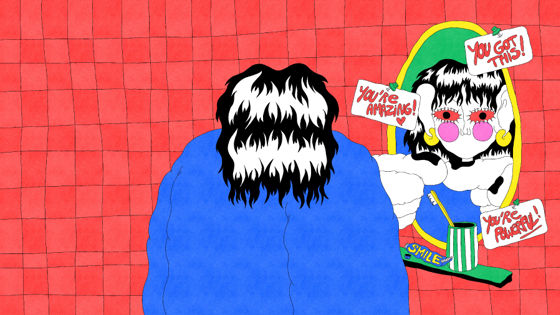
they tease
me
for being
DIFFERENT

Call 0800 1111
Young carers
Looking after someone close to you who needs your support can be difficult. But you don't have to cope alone. Get advice on how to cope and get support.
Who is a young carer?
A young carer is someone aged under 18 who looks after person. This could include an adult, or someone younger like a sibling.
Caring for someone might involve things you do every day like cooking and cleaning,. or you might have to do much more if the person can't do some things themselves. For some, it can involve a lot of physical tasks, for other people can mean providing emotional support.
There are lots of reasons you may care for another person, for example someone might:
- have an illness, disability or mental health condition
- need extra support because of their age
- difficulties relating to drugs and alcohol
- need help communicating or talking to others, for example signing or translating for health appointments
- have additional needs, or learning differences.
Some young people tell us they aren't sure if they can actually call themselves a 'young carer'. Even if you aren't the only one who’s caring for someone, you are still a young carer. Especially if it takes up a lot of your day or impacts how much time you have for your schoolwork or yourself.
5 things to remember:
- you are not alone and it's okay to ask for help
- there is support available
- you can ask a teacher to get help with schoolwork
- it's not okay to be bullied about being a carer
- we're here if you ever need to talk.
Getting support if you’re a young carer
It can sometimes be hard to talk to your friends or other people about your situation. You might be embarrassed or feel like they wouldn't understand. You might be worried about whether you’re allowed to ask for support, or if you’d be letting anyone down.
It’s always okay to ask for help when you’re caring for someone. Even when you’re managing on your own, getting a little help can make things easier for everyone and help you to feel less alone. You’re never letting anyone down by talking about it.
Help for you and your family
As a young carer, you shouldn’t have to provide care that is having a negative impact on you, your education or your health. If your caring role is affecting any of those, your local services have a duty to support you with that.
The service that supports you can vary based on where you live in the UK. It may be your local council or local authority, social services, or your local health and social care. If you’re not sure, it can help to speak to an adult you trust or someone at school for advice, or you can talk to us.
The way you’ll get support by doing something called a “Young Carers Assessment”, or a “Young Carer Statement” in Scotland.
This may sound scary, and it might be called something different in your area, but it’s just a chat. It’s a chance to talk about:
- what things you are doing to help care for someone else
- about any difficulties you and your family are having
- how this affects you.
It’ll be with an adult who’s there to support you and you’ll get a say in who you complete it with. For example, you might want to do it with a teacher, a youth worker or someone like a social worker. It’s a chance to think about what kind of help you can get in the future.
Young carers assessments and young carers statements aren’t a test of whether you’re doing a good job or not, or how well adults at home are looking after you. It’s just to look at how best to support you as a young carer.
If you'd prefer, you can speak to someone at school instead of at home, but you'll need to mention if you don't want them to call at your school.
If you or an adult you trust would like to find out more about young carer assessments/young carer statements, your legal rights and other help that young carers should be getting, Carers Trust have produced a guide which you can find here.
If you find your physical or mental health have been affected because of caring, then there are other people who can help such as school nurses or your GP. If you speak to your doctor, then you can also ask them to make a note that you are a young carer.
Places to get support
There are lots of places you can get support:
- Your local young carers service or local council can help you find out what help is available in your area
- You can find a list of different organisations who have help for young carers on the Carers Trust website
- Young carers aged 13 to 18 can contact Sidekick online or on the phone to talk about being a young carer
If you're worried or not sure where to start, you can always speak to us.
Feeling less alone
There is lots of support available for young carers. Getting involved with your local young carers service can be a great way to meet people in similar situations to you, make new friends and give you time off from caring. You can find your local young carers service here.
If you're nervous about going to a young carer club or support group, it can help to talk to the staff involved to find out more and see how they can make you feel more comfortable. You could also go once, just to see what it’s like. If it's not for you, that's okay. But other people there will know what it's like to be a young carer.
Being bullied
If you're a young carer, it can feel like you have to grow up much quicker than other people your age. Some young carers get bullied because of their caring role but we want you to know that bullying is not okay. And it's never your fault.
It's also important to talk to your school or an adult you trust if you're being bullied. Your school will have an anti-bullying policy. This means they have to do something to stop any bullying that's happening.

Making time for yourself
Being a young carer can take up a lot of your day and mean you don’t have much time to yourself.
It's important you find the time to get on with schoolwork, meeting up with friends and have time do to things that make you feel good.
Meeting up with friends
You might wonder how you can find time to see friends as a young carer. But it's really important that you do see your friends sometimes. And if you join your local young carer organisation, this can help you make friends with others in a similar situation.
Make sure to have time for you. If it's hard to get time away from the house, you could invite a friend over. This can be a good way to spend time together as well as helping your friend to understand your situation at home.
For some young carers it can be difficult to have friends around, so you might like to join online activities. These might be available through a local young carers group or through national organisations like Sense.
Try something new
If you're feeling low or overwhelmed, it can be hard to know how to cope. But distracting yourself or doing something positive can really help.
Try out the Coping Kit for loads of fun activity ideas that you can try out. Making time for an activity can help to make some time for yourself, and help you manage how you're feeling.
Schoolwork
It's really important that you're still able to do as well as possible at school or college. If you're struggling to do homework or concentrate in class, you should talk to an adult at school or college that you trust. Lots of schools have a young carers champion who you can talk to and find out about help available.
Your school may be able to do things like:
- give you extra time to do homework or coursework
- find ways for you to be able to do your work in school rather than trying to find time or a quiet space at home
- make sure teachers know not to talk about your family situation in front of others
- be flexible around things like using phones and make arrangements so you can phone or message home if you need to check things are okay
- be understanding if you are late because of your caring role
- help you with decisions like going to college or getting a job
- arrange for someone to talk to if things get more difficult at home
- help you find out about the illness or disability of the person you care for
- allowing time to re-sit exams if your exam results have been affected.
Finding things hard as a young carer
Young carers say there are often a number of positive things about being a young carer. You might feel closer as a family, and young carers are often more mature and have other skills that their friends might not have. But we know there are lots of reasons why you might be finding things hard if you are a young carer.
You might be worried about:
- the health of the person you care for
- your school work or exams
- money, finding a job or your future
- not being able to meet and go out with friends
- feeling you don't have any other choice
- being hurt or feeling unsafe at home
- having to look after brothers or sisters.
It can be really hard if you feel like you're not in control of your life. It can make you feel angry or sad and depressed.
And if you can't see your friends as much as you'd like, you might feel lonely and isolated.
However you feel, you can talk to us. We can help to talk your options through.
Get more support



This site is protected by reCAPTCHA and the Google Privacy Policy and Terms of Service apply.