



Call 0800 1111
Am I being used?
If you’re worried that someone might be using you or you’re concerned about your relationship, then we’re here to help.
Content warning: This page mentions sexual assault and suicide
On this page
Signs of being used
It’s not always easy to tell if you’re being used or tricked. Sometimes a relationship might help you feel more confident or in control, but still have things are that too one sided.
Some behaviours can also be abusive or put you at risk. If you’re worried or you’re not sure, you can always speak to us.
These are a few things that might indicate you’re being used:
Not being equal
Whether it’s a friendship or relationship, it’s important that you feel like you have a say in what’s happening.
Being unequal can include:
- Being expected to listen and support friends, but not getting that support back
- One person making all the decisions, or assuming that you’ll just agree
- Being dismissed and never having your views heard
- One person having more power or say because of their age or status
- Being expected to do things that the other person won’t
- Never saying sorry or making you feel like things are your fault
Getting asked for favours, money, or to do things
It’s natural to want to support a friend or partner. But it’s never okay if:
- You don’t feel like you can say no
- You get asked for things you’re not comfortable with
- Someone tells you that you owe them or makes you feel like you’re in their debt
- Keeps asking for more and more
- Trying to trick you into doing something
- Asks again and again, or begs you when you’ve said no
- Threatens you
If you’re being asked to do or give something you don’t feel comfortable with, it can help to get a second opinion. You can speak confidentially to Childline any time.
Breaking promises
Trust is an important part of any relationship with other people.
When someone keeps lying or saying that they’ll do things and not, it’s important to think about how you want to look after yourself.
If it feels safe to, it can help to think about ways to bring up their behaviour. We’ve got lots of advice on how to talk about things assertively. If you’re worried or not sure, then it can also help to talk to someone about it first.
Being told to keep things secret
You might be told that something has to be kept between you two, or that you’ll get in trouble if you talk about it. Sometimes you might be told that things will end if anyone finds out, or that it’s something special.
Being told to keep something secret isn’t okay if it means that you might have to do or say things you wouldn’t usually do. It’s never okay for someone to threaten you or make you feel scared.
If you’re worried about what might happen if you tell someone, we’re here to help you. You can speak confidentially to Childline any time.
Nudes and being sexually active
The only person who can decide whether you want to do something sexual is you. It is never okay for someone to pressure, beg or force you to do something sexual. That includes sending nudes.
Consent isn’t just about saying yes or no, and how you feel can change from one moment to the next. If someone is making you feel like you need to do something, then that’s not consent.
If you’re being asked to do sexual things, you’ve been sexually assaulted, or you’re worried about anything to do with sex or nudes, you can speak to us.
Threats to share nudes
It’s not okay for someone is threatening to share your nudes online or tell other people things you’ve done. There are ways to get support and stop what’s happening.
Talk to one of our counsellors for support. If your nudes are being shared, you can also stop them being posted online using Report Remove.
Manipulating, scaring or gaslighting you
There are lots of ways someone might try to control or manipulate you into doing what they want. Sometimes this is called coercive control.
Control can build up over time. It can involve violence or threats, but not always. Some signs of control can be:
- Making you feel like you can’t trust your friends or family
- Getting you to lie or keep secrets
- Making you feel like you owe them
- Threatening you or saying bad things will happen
- Taking control of things like your phone, where you go, and who you see
- Withholding affection or threatening to leave
- Threatening to tell other people things you’ve done or share your nudes
Threatening to hurt themselves
Threats won’t always be against you. Sometimes someone might threaten to hurt themselves if you leave or don’t do something.
Even if someone is struggling with their mental health, it’s never okay for them to make you feel like you’re responsible for their actions. If that’s happening, it’s important to get support.
What is gaslighting?
Gaslighting is when someone tries to make you doubt yourself or your own judgement. Someone might tell you that things have happened that didn’t, or disagree with you about different details.
If someone is making you doubt yourself or your own judgement, it can help to speak to someone outside of the situation. This could be to an adult you trust or to us.

What you can do
If you’re not sure about a relationship or friendship, the most important thing you can do is talk about it to someone outside of what’s happening.
Talking doesn’t mean that you’re betraying someone, or that things will end. It’s also not about getting anyone into trouble.
Sharing what’s happening can:
- give you a second opinion
- help you to think about ways to approach and deal with it
- get you support if someone is being abusive or threatening
- validate how you’re feeling about things and make you feel less alone
If you’re not sure who to talk to, we’ve got advice on asking an adult for help, and you can always speak to us.
Setting your own future
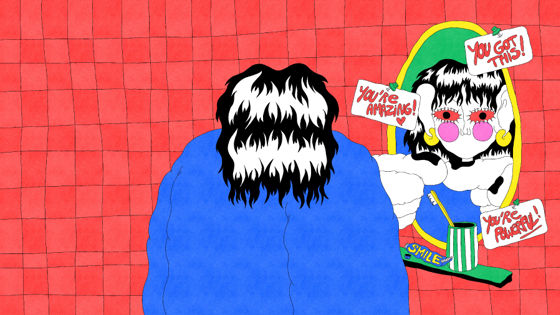
What you want is important, and you deserve to feel like you’re able to reach your goals and be happy without being used.
If someone is supporting you or helping meet a need, it can feel hard to let that go. Even if a relationship or friendship helps you in some ways, it’s never okay for someone to use, hurt or abuse you.
If you’re thinking about a future outside of your friendship or relationship, it can help to ask yourself:
- Where would I like to be in a year’s time?
- What are my strengths outside of this relationship?
- What would make a healthy relationship in the future?
- Who outside of the relationship can help me?
You don’t need to think about any of this alone. If you’re not sure, try speaking to an adult or professional you trust, you can also speak to us any time.
Get more support


This site is protected by reCAPTCHA and the Google Privacy Policy and Terms of Service apply.