



Call 0800 1111
Faith and religious bullying
Sometimes people are bullied because of their religion. That's not okay and if it happens to you, it’s not your fault and you can get help. Your religious beliefs should always be respected.
What is religious bullying
You might feel like you're being treated differently because of your faith or religion. Faith and religious bullying are when people are mean or hurt you on purpose because of your faith or religion. This could be by classmates friends or relatives. It's wrong for anyone to hurt, tease, ignore, threaten, tell jokes or call you names. It's bullying and you don't have to cope on your own.
You might be bullied about your:
- religion
- religious practices, like not eating meat or drinking alcohol. This includes being pressured into doing things that people know are against your religion.
- clothes or symbols, like if you wear a headscarf, cross or kara
- your name
5 things to try:
- let friends and teachers know when you take part in religious events so they understand more about you and what you’re doing.
- share photos or blogs about religious festivals so other people can see what these are like.
- tell friends about the foods and drinks you’re not allowed in your religion so they don't offer you these.
- ask friends why they wear religious items and how they feel about it.
- ask friends if you can join in with their religious events. This can help you understand their religion and culture a bit more.
Stereotypes
A stereotype is when someone makes an assumption about you based on your faith or religion, race, sexuality, gender or if you are deaf or have a disability.
It’s important to remember that we are all individuals and that stereotypes are not based on truth. Nobody has the right to judge you or assume things about you. You have the right to be treated as the person you are.
Being stereotyped may mean that you:
- Feel like people don’t know the real you
- Feel different
- Feel lonely or isolated
- Have low self-esteem
- Are being bullied or left out
- Experience discrimination or hate crime
Discrimination
Being treated differently because of your religion, lack of religion or your beliefs is discrimination. It's also wrong for someone to treat you unfairly because of your friend or family members' religion.
It's still discrimination if they make a wrong assumption about you. You can get advice on discrimination and your rights from the Equality Advisory Service.
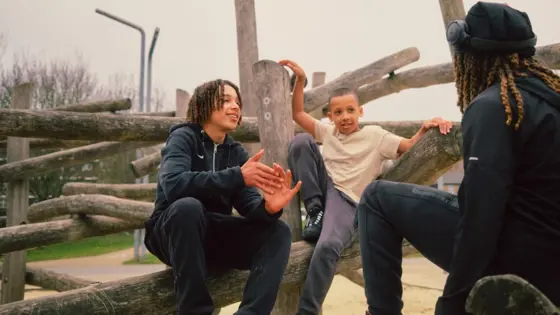

hate it when
they make fun
of my culture
Hate Crime
A hate crime is any crime that is committed because of someone’s faith or religion, race, gender, sexuality or disability. A hate crime can also occur if someone isn’t a member of the targeted group but are perceived to be.
A hate crime can happen in person and online and includes:
- Physical assault
- Verbal abuse
- Harassment
- Sexual assault
- Theft
- Hate mail
- Online abuse
- Graffiti
If you have experienced a hate crime or seen it happen to someone else you can report it to the police for them to take action.
Xenophobia, islamophobia and antisemitism
Discrimination based on someone’s faith or beliefs is never okay. It’s against the law for someone to treat you badly, hurt you or try to intimidate you based on your beliefs or religion.
What is xenophobia?
Xenophobia is when someone discriminates, hates, or is scared of people from other countries or cultures. This can often include when people see others as foreign or un-British because of their race or facial features, their faith or religion, or their nationality.
Xenophobia can include:
- Telling someone to “go home” or saying they’re not British
- Attacking, intimidating or harassing people based on their religion or nationality
- Excluding or discriminating against someone because they’re from a different country
- Posting hateful or discriminatory comments online, or sharing other people’s posts
Childline is here for all young people, if you’ve experienced xenophobia then you can speak to us for support any time.
What is islamophobia?
Islamophobia is when someone expresses hatred, fear, or prejudice against Muslims or Islam. It can come in many forms, including:
- Violence, hatred, or intimidation of Muslim people
- Damaging or vandalising mosques or other Islamic buildings
- Conspiracy theories about Muslim people
- Making assumptions about Muslim people
- Stating that being Muslim shouldn’t be part of British society
- Posting or sharing hateful and discriminatory comments online against Muslim people, for example calling all Muslim people terrorists or attacking people for wearing religious clothing like hijabs
It’s never okay for someone to hurt or discriminate against you. If you’ve experienced islamophobia or you’ve been made to feel uncomfortable because of your religion, you can always speak to Childline.
What is antisemitism?
Antisemitism is when someone discriminates against Jewish people, including expressing hatred, fear, or prejudice. Examples of antisemitism can be:
- Violence, hatred, or intimidation of Jewish people
- Vandalising or damaging Jewish buildings, including displaying swastikas
- Conspiracy theories about Jewish people
- Making assumptions about Jewish people
- Denying the Holocaust
- Posting or sharing discriminatory comments online against Jewish people, including posting stereotypes or hateful comments
Nobody deserves to be hurt or discriminated againt, if you’ve experienced antisemitism then you can speak to Childline any time.
Ways to get support
If you’ve experienced discrimination or abuse, then you’re not alone. You’ve got a right to be protected from this, and there are ways to get support:
- Talk to an adult you trust about what’s happened
- Speak to a Childline counsellor about what’s happening
- Avoid responding to abusive messages online, but report them to the platform they’re on
- Do what helps you to feel safe, like making sure your parents or carers know where you’re going
Remember, in an emergency you can always speak to the police by calling 999. You can also report hate crime or something that’s happened to on the police non-emergency number, 101.
Coping after something has happened
It’s natural to feel anxious, angry or upset after something has happened. Whatever you’re feeling is natural, and it can help to talk about it.
If you’re struggling with how you’re feeling, it can help to talk about it. We’ve also got lots of ways to help you cope:
- Use the Coping Kit to find new ways to cope
- Get advice on ways to cope with feeling anxious or angry
- Visit the Calm Zone to see ways to feel better
Watch: Islamophobia
Big Zuu - Xenophobia
Eyez - Islamophobia
Ways to get help
Ask an adult for help
Talk to an adult you trust so they can support you and try to help you get the bullying to stop.
Community Security Trust is an organisation that you can report antisemitic incidents to.
Muslim Youth Helpline also has advice and support for young Muslims
Sikh Helpline provides counselling and advice to Sikhs on issues like racism and bullying.
National Bullying Helpline supports anyone who has been bullied
.
Contact our counsellors
Our counsellors are always here to listen and support you with bullying. You can contact us by calling free on 0800 1111 or online. . Find out more about contacting Childline.
Know your school’s policies
Every school should have anti-bullying and equal opportunities policies to protect you from bullying and discrimination. It can help to know what your school will do if faith or religious bullying happens to you.
Tell a friend
Your friends could support you to tell an adult you trust.
Block the person
Some phones will let you block numbers. You can also block, delete or unfriend other users on lots of social networking and gaming sites. Stopping them from contacting you could help you feel less stressed and upset.
Be assertive
Being assertive can help you to explain how you feel and what you need, without being rude or aggressive. These skills can help you stand up for yourself and still treat other people with respect.
Build your self-esteem
You deserve to feel good about yourself. Check out our video and tips on how you can build your confidence back up if you’ve experienced bullying. We also have advice about building your self-esteem.
Help a friend
Bullying can happen to anybody. If you see someone being bullied because of their religion or their culture, you could help them to tell an adult.
Being yourself
You have the right to be treated with respect and to practise or not practise a religion or your beliefs. Someone who is bullying you might judge you without getting to know you or your beliefs.
If you don’t feel respected and accepted for who you are, you might want to change who you spend time with. It can be hard to make new friends and you might worry about feeling lonely. Remember, you don’t have to change who you are to fit in with anyone else.

Understanding others
The world would be a very boring place if everyone looked the same, spoke the same and did the same things. Having different people around is a really positive thing.
If you find new or different things scary you could find positive facts about a culture or religion to help you to see another perspective.
You could ask people questions about their beliefs and explain more about your faith, religion or values. This could be a way of learning about each other and about the things that make us who we are.
Celebrating our differences can sometimes help us meet new people, make friends or stop bullying from happening.
Videos
Building confidence
Watch: Am I racist?
Watch: Racial stereotypes
Get more support


This site is protected by reCAPTCHA and the Google Privacy Policy and Terms of Service apply.