


Call 0800 1111
Top tips for making friends
Making friends isn't always easy. If you find it difficult, here are some tips to help
making friends
It's natural to want to have supportive friends, to feel accepted and valued for who you are and to fit in.
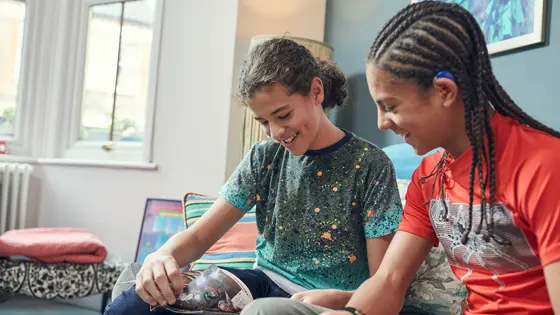
You can have different types of friends. Some friends are good for having a laugh with and sharing your favourite hobbies. Other friends can be there when you want to pour your heart out.
The number of friends you have isn't important. What matters is having friends that you're close to, who support you and won't try to hurt you or bully you.
You might be busy with other things in your life such as being a young carer and have less time to make friends, or you may feel shy in front of other people.
But these things don't have to stop you making friends.
Things to remember:
- It can be hard to go up to someone new but the more you do it the easier it may get.
- Other people may also be finding it hard to make friends and may like it if you’re friendly to them.
- Don't be hard on yourself if you freeze up - you can always try another time.
- If someone's friendly to you, try to be friendly back.
- It's good to smile.
- It can take time to make friends.
Starting conversations
Ask Questions
It can sometimes feel hard to start conversations and you may not know what to say. Questions can be a good way to start a conversation with someone.
This could be:
- about them - It's a good way to show that you're interested and want to connect with them
- about a film, show or musician - they might like them too, and you can bond over this
- avoid "yes" and "no" questions - try to ask them something that needs an explanation, starting with what, why, how and describe.
Good Listening
It's important to listen. A good listener is someone who lets the other person have their turn to talk, listens carefully and cares about what the other person is saying. Try not to get distracted by other things, like looking at your phone.
When the other person has said something, try to add something to the conversation based on what they've said. This could be a follow up question to ask them to explain or describe something in more detail. However, try to avoid just asking them lots of questions as this may start to feel uncomfortable for them. Balance this out by also sharing your perspective on what they have said such as telling them why you agree with some of the things they’ve said or sharing similar experiences you may have had.
Give a compliment
It can feel great getting a compliment. Saying something nice can be a good way to start building a friendship with someone.
You could tell someone you like:
- their hairstyle
- how they dress
- their skills at a certain sport, like football or hockey
- the fact that they're good at a certain subject at school
- their sense of humour.
Help someone
You can also offer to help someone, such as if they're struggling to carry a lot of things or if they need help finding their way around. You could also ask for help if you need it.
Make a comment
Commenting on something can be a good way to start a conversation. For example you could:
- make a comment about what's happening around you
- comment on something you have both just done, such as the lesson you have both just had
- say what you think about a topic that people are talking about, such as a band or a sport.
Remember
It may feel hard to start conversations, but there may be other people who also want to make friends and will like it when you start chatting to them. Every friendship has to start with a first conversation and you may find it easier to start chatting to people as you get more experience.
find things to share
Lots of friendships start because people have things in common. You could:
- take something to school to share at break time, like sweets or a new game
- share a song or video that you like.
Sharing something shows that you're friendly and can be a great way to start a conversation. Try to include other people who may be feeling left out.
get out there
Sometimes when we get into a routine of doing the same things, it can be hard to make new friends.
Try new things:
- Join a club either inside or outside school.
- Volunteer (Vinspired has lots of good ideas).
- Change your daily routine - perhaps you could go to a different shop or walk a different way home.
Talk to someone new
If you see someone having lunch on their own, why not go over and sit with them? You could ask how their day is going and start a conversation about what you both like to do at the weekend.
use your body language
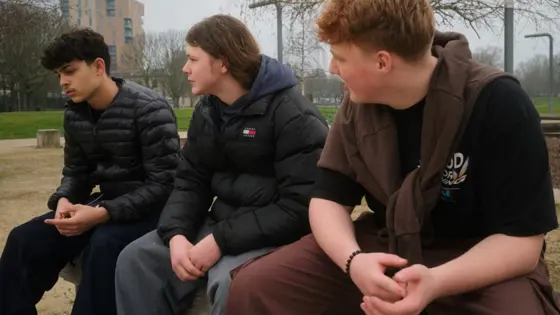
When we communicate with other people, we mostly do it using words, but what our body is doing while we talk is really important too.
We don't always notice what we're doing, but our body language says a lot to other people.
If you look bored or anxious when you're talking to someone, it might be noticeable to them.
Using positive body language can really help when making friends.
When you talk to someone:
- smile
- make sure you speak clearly and confidently
- look people in the eye
- try not to cover your mouth with your hands when you speak.
Feeling Confident
You may have had previous experiences that have left you feeling less confident which makes it hard for you to make friends. Maybe you were bullied or left out before and you’re worried about it happening again. Just because it’s happened in the past, it doesn’t mean that it will happen again.
You deserve to feel good about yourself and for people to value you as you are. We have some advice that can help you feel more confident. When you feel confident it can help you make friends more easily.
Being Yourself
It can feel tempting to act differently to fit in better. You may find yourself doing things you wouldn’t normally do so that people will like you more. This can feel good, but you may find that these friendships aren’t as close or as supportive as you would like. You could feel like these friends don’t know the real you. Good friends will accept and support you as you are, without you needing to act differently to fit in.
Having Close Friends
You may have friends, but you could feel like you aren’t close to them. It’s natural to want to have supportive friends who really know you. Maybe you have been let down by friends in the past and this makes it harder to really trust your new friends. Talking about these feelings can really help, our counsellors are always here for you.
Sharing your feelings with friends can help them get to know the real you. You don’t have to share a lot to begin with, you can start small and see how that feels. As you build up trust with your friends you’ll find that you’re able to share more with them and feel closer and more supported by them.
get more support

This site is protected by reCAPTCHA and the Google Privacy Policy and Terms of Service apply.