

Call 0800 1111
Problems sleeping
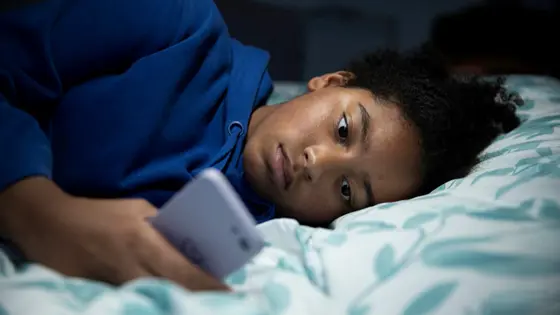
Lots of people struggle to fall asleep at night. Thinking about school, people or events can leave you feeling restless. Even your diet or routine can affect your sleep. But there are things you can try.
On this page
Getting to sleep
When you’re struggling to get to sleep it can have a big effect on you. It can make it harder to concentrate during the day, or make you feel low and less able to cope.
There are lots of things that might make it difficult to get to sleep, including:
- struggling with difficult feelings or memories
- worrying about homework or exams
- difficulties at home
- having an unhealthy routine or diet.
But there are ways you can cope. And remember, our counsellors are here for you at any time if you need support.
Things to try right now:
- get into a comfortable position
- take some slow, deep breaths
- listen to calming music or white noise
- close your eyes and picture yourself in your favourite place
- when you feel comfortable, turn off your phone.
Sleep meditation
Listen to this sleep meditation to help you drift off.
Watch: Sleep meditation
What to do if:
You can’t sleep because of anxiety
When there are lots of things on your mind, getting to sleep can be hard. You might be worrying about exams and homework, about something that’s happening the next day or struggling with things at home.
When you’re anxious your body will naturally try to keep you awake. Trying to force yourself to sleep will only make you more anxious. You’ll need to reduce your anxiety to be able to sleep.
You could try:
- focusing on your breathing
take deep breaths in through your nose and out through your mouth. Some people find it helps to close their eyes and count to 4 when they breathe in, and to 7 when they breathe out. - Try some of our calming techniques in our Calm Zone and on our Coping with Anxiety page.
- It can also help to talk to a Childline counsellor about the things that you are anxious about.
If your find that your anxiety is still persisting and you struggle to sleep, then your doctor may be able to provide other ways of helping you.
You can't sleep because of nightmares
Dreams are our bodies’ way of processing emotion and dealing with difficult things from the day. Nightmares are dreams that are particularly negative and scary. We are more likely to experience nightmares after a traumatic experience and nightmares often involve re-living that trauma.
One thing you could try is the dream re-scripting technique. This is where you remember a nightmare from the night before and change the ending to something really happy. You then go over this new ending during the day and just before you sleep. You can also write down the new ending if that helps you go through it.
Find out more about the dream re-scripting technique:
You can’t sleep because of a traumatic experience
It’s very common to have poor sleep after having a traumatic experience. Your anxiety could be raised and you could be having scary thoughts before bed. You could also be worried about having bad dreams.
Talking through your trauma with a counsellor can really help. You deserve to get the support that you need. Our Childline counsellors are always here to listen and support you. You can also get help from CAMHS by speaking to your GP.
Your home is too noisy to sleep
If your home is really noisy for you to sleep, then earplugs can be a great way of cancelling out the noise. Or you could use a fan or calming sounds to help mask the disruptive noise in your home. You could also try using a phone to play calming sounds via an app.
You struggle to wake up in time
Teenagers often struggle to wake up easily in the morning. This is not actually due to laziness, but when children become teenagers their sleeping pattern changes to make them want to go to bed later and wake up later. This can make it very difficult to wake up early in the morning.
If you’re struggling to wake up in the morning then it’s very important you don’t go to bed too late and that you set your alarm for reasonable time in the morning and get up at that time seven days per week. If you let yourself sleep in at the weekends, it can encourage your body to go to bed later and wake up later even when you have to go to school.
Some things that can help you get out of bed are:
- putting your clock or mobile phone on the other side of the room, so you have to physically get out of bed to turn your alarm off
- finding a small reason to get out of bed - like a tasty breakfast, exercise, meditation, writing a mood journal, or listening to your favourite podcast while you get ready.
It’s also very important that you get bright light exposure early in the morning to help you feel more awake and alert. Ideally you should open your curtains as soon as you wake up to get some early bright sunshine exposure.
Once you start getting into a routine, you’ll start to find that waking up each morning becomes slightly easier.
Your sleeping medication doesn’t work
Sleeping medication is only intended for short-term use. Doctors will rarely prescribe sleeping pills on an ongoing basis because sleeping pills quickly lose their effect as you become used to the medication.
Sometimes sleeping pills can be prescribed in the short term to get you through a sleep blip, however, for ongoing insomnia you can speak to your doctor about what other treatments are available for you.
One option is Cognitive Behavioural Therapy for Insomnia which involves addressing someone’s unhelpful behaviours and thoughts about sleep. The behavioural part involves stopping things that people do which are actually making insomnia worse (such as napping or spending excess time in bed, trying to catch up on sleep). The cognitive part involves managing anxious thoughts, especially stopping someone from stressing about sleep itself.

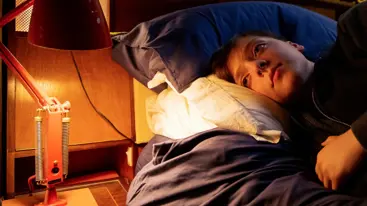
WHY
is this so hard?
10 tips for better sleep
1. Do some exercise
Don't overdo it, but try some regular swimming or walking. The best time to exercise is in the daytime – particularly late afternoon or early evening. Later than this can disturb your sleep. Exercise burns off excess energy and releases endorphins – natural chemicals that help you de-stress, feel less anxious and more relaxed.
2. Caffeine and sugar will keep you awake
They're stimulants, which means they'll stop you from getting to sleep. Caffeine can stay in your body for hours after you've had chocolate, a fizzy drink, tea or coffee. Try not to drink caffeinated drinks after mid-afternoon and cut down on sugar in the evening.
3. Alcohol doesn't help with sleep
Drinking alcohol at night will force your body into a deep sleep too soon. It disturbs your sleep patterns, making you wake up after a few hours.
4. Eat earlier for a good night's sleep
Try to have your dinner early in the evening rather than late. Your body needs time to digest food properly.
5. Relax before going to bed
Some people find reading helpful. Try to stick to paper books - the light from computer screens and some e-readers can make it harder to fall asleep. It's best if you have no screen time for at least 30 minutes before you plan to sleep.
6. Make sure you're comfortable
You don't want to be too hot or cold, and the room you're in shouldn't be too noisy or bright.
7. Write it down
If something is troubling you and there’s nothing you can do about it right away, try writing it down before going to bed. Once it’s written down, you can tell yourself you’ll deal with it tomorrow.
8. List things that make you feel good
These don't have to be big things - they could include the weather, your favourite song or someone in your life that you enjoy seeing. Keep the list nearby.
9. Turn off your phone
If you’re being kept awake by friends messaging or ringing you, you could ask them to stop. Or just switch your phone to silent or ‘do not disturb’ – or even turn it off.
10. Picture yourself in your favourite place
Close your eyes and imagine you’re in your favourite place or where you want to be one day. Imagine yourself happy and relaxed. Slowly breathe in and out, relaxing your muscles until you feel a sense of calm.
Watch: Tips to help you sleep
Remember
Try to get 8-10 hours of sleep a night
Go to bed when you feel tired. Stick to a routine of getting up at the same time every day, whether you still feel tired or not. The more you do this, the easier it will be to get to sleep.
Sleep helps physically and emotionally
Getting enough sleep is really important. It helps you to concentrate and learn, can help you maintain a healthy weight and feel more able to cope with difficult feelings.
Don't lie in too long
If you've had a bad night, don't sleep in the next day. It'll just make it harder to get to sleep the following night. Set an alarm 10 minutes before you'd usually get up to give yourself more time in the morning.

This site is protected by reCAPTCHA and the Google Privacy Policy and Terms of Service apply.