


Call 0800 1111
Coping with loss and grief
When someone dies or you’ve experienced a loss, it can be hard to know what to do. Lots of things can feel like they’re changing or hard to cope with, but we’re here to help you.
On this page
What is grief?
Grief is the feeling you have when you’re going through a loss. Usually, people feel grief after a person or animal dies, but not always. People can also experience grief when nobody has died.
Anyone can go through loss and grief, and it can affect people in lots of different ways. You might have feelings of loss after:
- someone close to you or a pet dies
- moving to a new place or school
- someone moves away or stops talking to you
- your support changes or you're not getting the same support
- you or someone else experiences a long-term illness or injury.
Going through grief and loss can feel overwhelming. It can make you feel stressed, angry, upset or even numb. For some people it can also mean you’ve not got the support you used to have, or that your life is going to change in lots of ways.
No matter what’s happened or how you’re feeling, talking about it can help. You can speak to a Childline counsellor any time.
Ways to cope with grief and loss
It’s natural to have times when it’s hard to cope after a loss or when someone’s died. There’s no right or wrong way to feel, but there are things that can help:
Share how you're feeling
It can feel hard to share how you’re feeling sometimes. You might be worried about upsetting other people, or how they might react.
Talking is an important way to get support though, and sharing your thoughts and feelings can help you to feel better, think about things differently, and find new ways to cope.
It can help to remember that you can share what you feel comfortable, and it’s up to you when and who you talk to. It can help to think about someone you trust you want to speak to, or to try talking to a Childline counsellor first.
If you’re struggling to talk, we’ve got lots of advice to help .
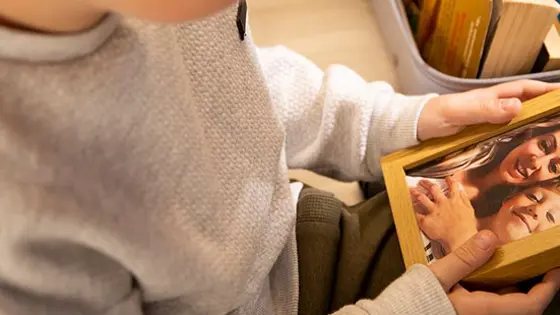
Create a memory box
A memory box is a space to keep all different things that remind you of who you lost. Everybody is different, so your box doesn’t need to be the same as anybody else’s. You might like to use it to store:
- photos
- letters or messages
- clothes, or things that belonged to them
- USB or external drives with pictures and videos
- anything else that reminds you of them.
Making the box can help you to sort through the different things that belonged to who you lost and help remind you of all the memories you had with them. It also means you’ve got something you can open any time you want to look back on memories of them.
A memory box doesn’t have to be a box. You could use a jar, drawer, or anything you want to. It’s important to make sure it’s something that’s safe, and won’t be lost or moved by mistake.
Making a memory box before someone has gone
Knowing that someone is leaving or is going to die can be hard to cope with. If you and the other person feels ready, creating a memory box together can help make sure you’ve got something after they’ve gone. It also means that the other person can help add things they’d like to be in it.
Write things down
Writing down how you’re feeling can help you to express yourself, especially when you’re not feeling ready to talk or you’re not able to speak to anyone.
You don’t need to write anything specific, you could put down what’s been happening, your thoughts and feelings, or anything else you want to. Some people will write letters to people they’ve lost, to help them get out things they’d like to say.
If you’re worried about others seeing what you write, you can create a Childline account to keep a confidential mood journal and write about how you’re feeling.
Try memory stones
Memory stones are a small way to help remember all of the different parts of someone you’ve lost.
To start, speak to an adult you trust about helping you to find three small stones:
- a smooth stone
- a rough stone
- a gemstone
When you have all 3, follow these steps:
- Smooth stone: Hold the stone in your hand and think about the ordinary memories of someone you've lost, like their favourite food or drink, or what kind of shoes they wore.
- Rough stone: Hold the stone in your hand and think about some of your difficult memories, like what happened when you first found out someone died.
- Gemstone: Hold the stone in your hand and think about your special memories of someone you've lost, like TV you used to watch together or holidays you went on.
Keep all the stones together somewhere safe. When you feel ready you could show the stones to an adult you trust to share the different memories.
Talking about what each of the stones represent can help you feel able to hold the stones in one hand together. It can remind you that even with the difficult memories you can still have the ordinary and special memories too.
It can take time to find the words and to begin to understand what has happened. But Childline is here to talk to you any time.
Plan for anniversaries
The anniversary of when you lost someone, their birthday, or other holidays like Christmas, Mother’s Day and Father’s Day can bring up lots difficult feelings. They can also affect you in ways you might not expect.
If you’ve got an anniversary or significant date coming up, it can help to think about what you’d like to do on that day. It might be that you want to plan something specific to do or think about different ways you could cope. It can help to speak to an adult you trust about how you’re feeling, and they can help you to plan different things as well.
Get support in your life
You don’t need to cope alone. Talking and getting support can help make things easier, even when you feel like you could manage by yourself. It’s okay to ask for support with things like:
- coping with how you feel,
- help with changes, or understanding what's happening,
- support with your mental health,
- practical things, like help at home, or needing support with school.
You could speak to a friend, an adult you trust or someone in your family for help. You can also visit your doctor if you’re struggling to cope. Asking for support can help people to realise you need help, as it’s not always obvious.
If you’re not sure where to go, you can always speak to us.
Give yourself time
Grief can feel overwhelming, but it can sometimes feel scary to think about moving on. It can take a long time, but things can start to feel differently in the future. There’s no pressure to change how you feel, and it’s important to do things at your own pace.
Feeling loss when someone hasn't died
There are lots of ways you might feel like you've lost someone or something, even when no one has died. You might:
- miss someone after a relationship or friendship has ended,
- not be allowed to see someone in your family anymore,
- have a family member with dementia,
- move home or change schools,
- not see your family after going into care,
- have moved on from services that support you.
Losing someone or something can bring up many of the same feelings as when someone has died. Especially if you can't talk to the person you've lost.
Whatever's happened, it can really help to talk about how you're feeling to someone you trust or with Childline. If you're struggling, sometimes it can help to create something in the Art box.
Get more support




This site is protected by reCAPTCHA and the Google Privacy Policy and Terms of Service apply.