

Call 0800 1111
Coping with stress
Everyone can feel stressed, it’s our emotional reaction to difficult situations. Sometimes a little stress can be helpful or motivating, other times it can be difficult to deal with.
Want to feel less stressed? Try our tips to help you cope or feel better.
What is stress?
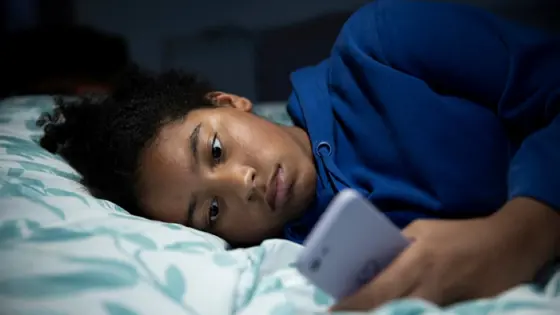
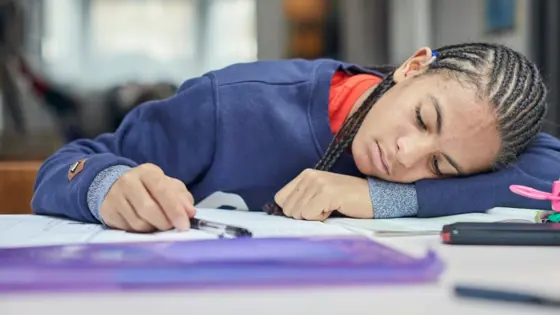
Stress is the feeling you get if you’re doing too much or thinking negatively about things. It can make you feel low, cross, or anxious. You might even notice not wanting to eat, feeling unwell or struggling with sleep.
Lots of different situations can cause stress. Maybe it’s schoolwork, homelife, friendships, relationships, or maybe something’s happened online. Anything can cause stress, it can feel difficult or like you can't cope.
But you can manage how you’re feeling and our tips can help you get stress under control.
5 things that you can try right now
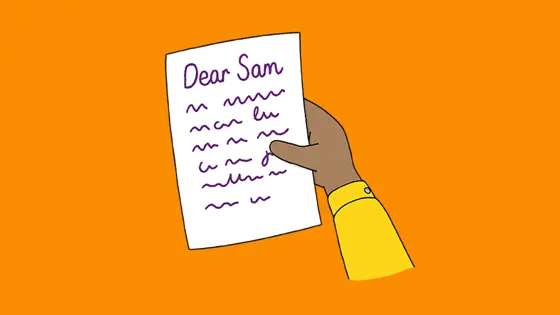
1. writing or drawing how you feel
2. exercise and sports
3. contacting a friend or relative
4. listing any and all positives from your day
5. cooking or baking, or organising your room
Get creative
When you’re stressed, you can sometimes be carrying around loads of pressure and negative thoughts. Getting creative lets those feelings out so you can feel better.
Write
Write a diary of what’s happening and how you feel. It can help you work out what’s making you stressed. You can then try to avoid these things in the future and know how to get support.
Create
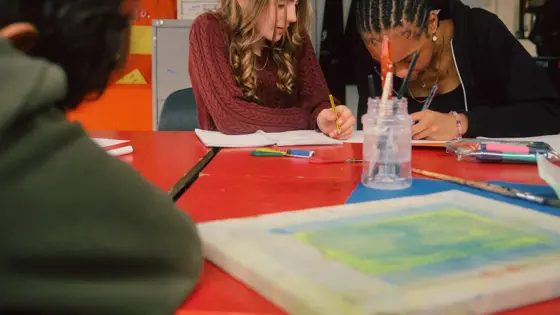
Drawing or painting can help you express yourself when it’s difficult to find the words. It helps get those feelings out even if you don’t know where they’ve come from.
Writing a poem or some lyrics means you can use rhythm to help structure what you want to say.
Capture
Taking photos of things that make you feel good helps you focus on the positives. Maybe take photos of a pet, your hobby or your favourite outfit. You might like to make a video too.
Take part
Talk to friends, online, or with people at home about show or music you like. Sharing your thoughts about the creative content you enjoy can be a great way to connect to people and take a break.
Creative ways to cope
Planning and preparing
Sometimes problems can seem too much to deal with so we worry more. This can make the problem seem even bigger and like it’s harder to solve.
It helps to break big problems down into smaller ones. This makes it easier to think of ways to solve them.
You could try:
1. Sort your day (and night). If you have to revise or do chores at home, organise your day so you have a healthy balance. It’s important to do those tasks and to have time for breaks and fun things too. Breaks are important for rest and help you return to things with a fresh mind. Doing something you enjoy keeps you motivated. Try to put some time aside to wind down before going to bed too. A good night sleep helps process stress.
2. Take your time. If you have lots of homework or a big project for school, don't rush to do it all at once. Instead, give yourself time to do bits of work over a couple of days so you have space to think and focus. Big tasks often feel easier and less stressful when you do a little bit at a time.
Struggling to get started? Try this:
- think about the very first step you’ll need to take to start that task
- what will you need for that first step
- where will you be
- and when will you do it?
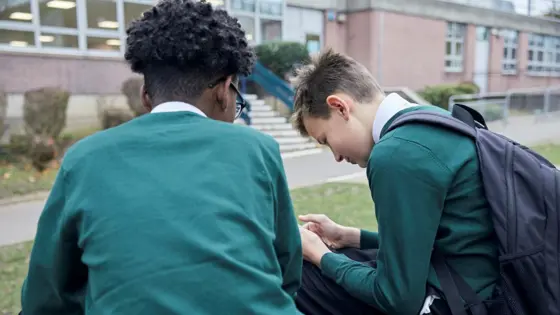
3. Get the right help. Sometimes spending time with other people can ease stress, and they may be able to help you in other ways too. It could be a friend, someone in your family, a teacher or an online community you trust. Find out more about asking an adult for help.
If spending time with a friend or someone else is making you feel more stressed, try to spend time with someone new.
just want things to be
better
Get active and spend time outside
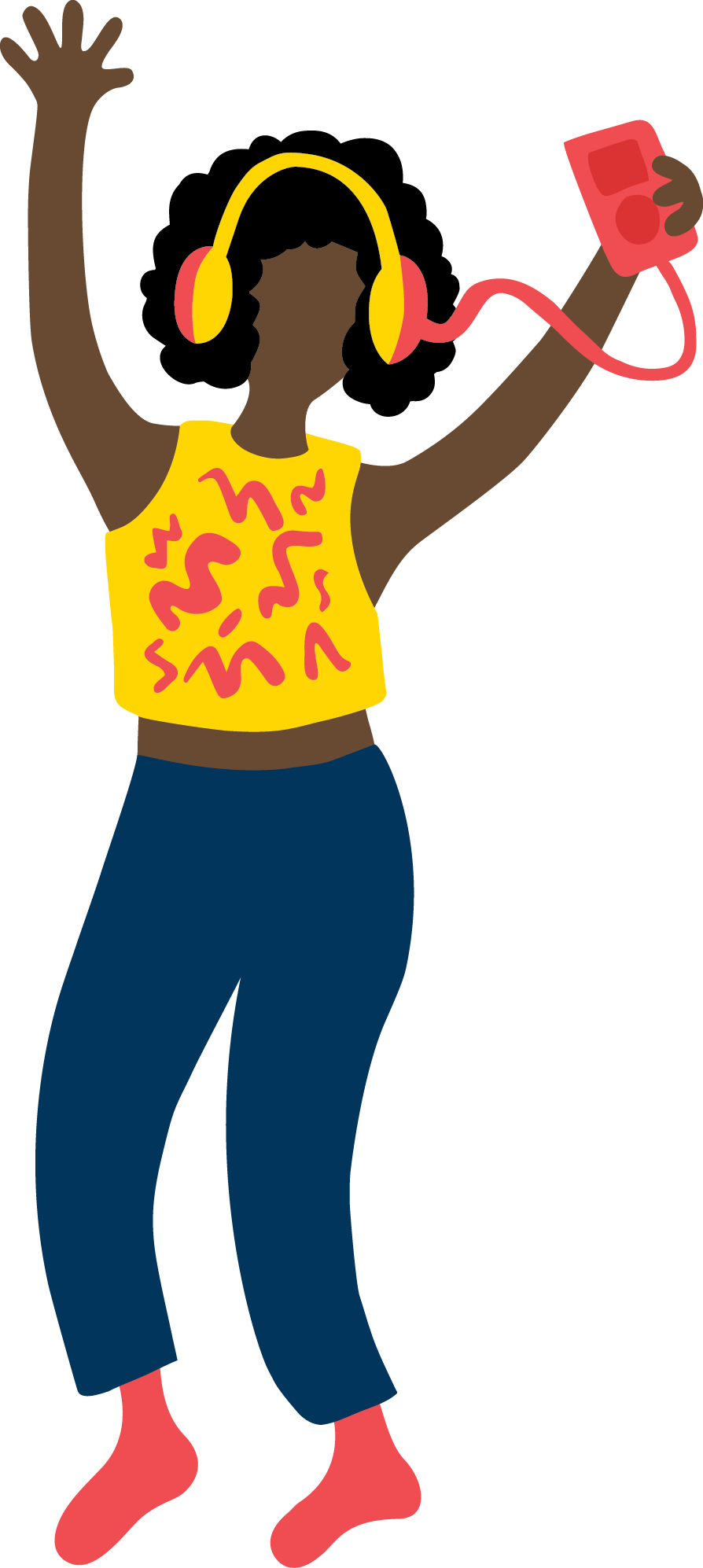
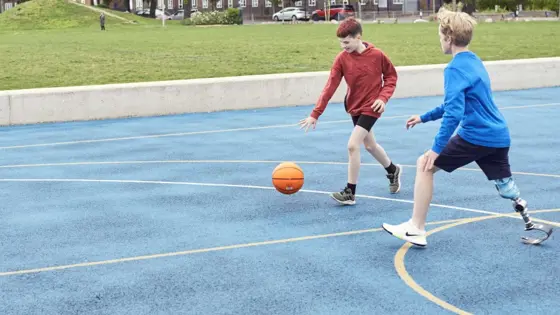
No matter your ability level, getting active can help manage stress. Doing something physical burns away the stress hormone cortisol and releases natural feel-good chemicals into our bodies. And these natural chemicals can help us cope with difficult feelings.
The best exercise is that which you enjoy. You don’t have to be sporty or competitive. You could try walking, swimming, skipping or skateboarding. It’s ok if you can’t get outside too. You could try yoga or dancing.
It can sometimes be harder to get active because of a difference or disability. If you’re struggling, we’ve got advice to get you started.
Benefits of getting active:
- feel less stressed and more motivated
- help your mind and body feel healthy
- keep focussed and think clearly
- calm yourself down and build confidence.
If you’re stressed, it might seem like you don’t have time or energy to be active. But even a little bit of exercise can make a big difference.
How to think more positively
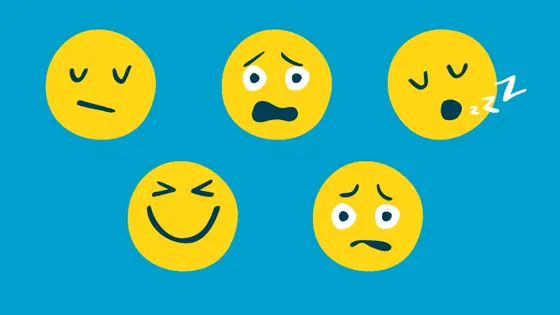
Stress can come from thinking negatively. Getting into the habit of thinking positively helps keep your stress low.
Focus on the good things
Writing down three good things every day can help reduce the negative thoughts. These don’t have to feel big, it could be as simple as finding a matching pair of socks to wear, or remembering to charge your phone.
Struggling to remember things? Using your device or a piece of paper to note things as you do them.
Set yourself reminders
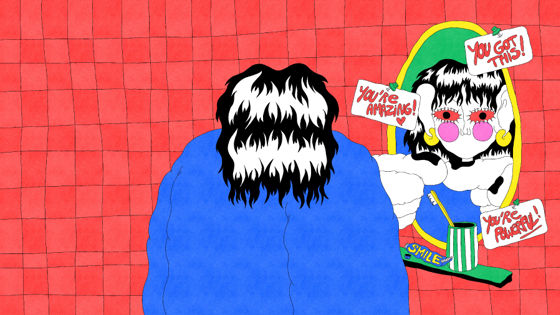
Write positive messages for yourself, or reminders to help you cope. Read them when you need a little boost.
“Stress is temporary. It will pass”
“Breathe in…1… 2… 3… and out…1… 2… 3…”
“Go for a walk in the fresh air”
“You’re awesome. You’ve got this.”
“Just take the first step. That is enough.”
You could set a positive reminder on your phone, or leave reminders in places where you normally get stressed.
Getting help
Sometimes stress can feel too much to cope with by yourself. Some young people have told us they self-harm or done other unhealthy things when they’re stressed. Even when you’re not showing signs of stress, it’s good to get support when things are hard to cope with.
If you’re struggling or you just want to talk, Childline is here for you.
Drugs, smoking, and alcohol
Some people might try to cope with stress by drinking alcohol, smoking or taking drugs. But these things can be dangerous. They can make you lose control of your body, forget things and stop you from making proper decisions.
You might also end up becoming addicted. Try talking to an adult to you trust or to our counsellors for help with other ways of coping.

Relaxing to help prevent stress
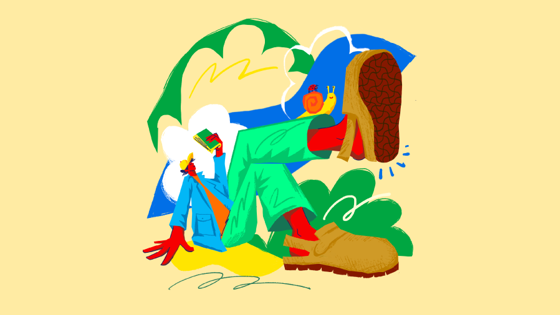
Relaxation means doing something safe and enjoyable which helps you feel calm. And relaxing activities can help you feel more focussed and able to deal with stress and worries.
Want a way to relax?
- check out Smiling Mind, a free app that's all about meditation and mindfulness
- try an activity on our Coping Kit.
Get more support
This site is protected by reCAPTCHA and the Google Privacy Policy and Terms of Service apply.