

Call 0800 1111
Homophobic and transphobic bullying
It’s never okay for someone to treat you badly because of your sexuality or gender identity. If this happens to you, remember that you’re not alone and we can support you.
What is homophobia and transphobia?
Homophobia is when someone is scared of or dislikes gay/homosexual people.
Transphobia is when someone is scared of or dislikes transgender people.
It’s never okay for someone to be bullied because of their sexuality or gender identity.
Being bullied can have a big effect on how you feel, it can make it harder to come out or leave you feeling scared about sharing your feelings. But there are ways to cope and to help it stop. No matter what’s happening, we’re here to support you.
Homophobic and transphobic bullying can include:
- making comments about your gender or sexuality that deliberately make you uncomfortable
- calling you names or teasing you
- hitting, punching or hurting you
- making sexual comments or asking you sexual questions
- ignoring you or excluding you
- making comments about you online.
Getting help and staying safe
Everyone has the right to feel safe and not be discriminated against. It can be tough if you’re worried about what people will do or what they’ll say to you
Some things you can try:
Listen to yourself
Don’t go to places that make you uncomfortable. If you get that uneasy feeling or tightness in your stomach, it’s your body and mind telling you that something might not be right. Make sure you’ve got people you trust with you.
Tell someone
If you’re worried about being bullied at school, tell an adult who you trust. If they don’t help you, you can get support from the head teacher to make a complaint. Schools have to take bullying seriously and protect you.
Keep a diary of what’s happening
Write down what happened, when and how it made you feel. This can be a really good way to gather evidence if you decide to tell someone.
Tell the police
If you’re out in a public place and feel unsafe or scared, you can seek support from the police. You can also talk to them if someone has committed a hate crime or acted illegally towards you because of your gender or sexuality. You can call 101 to speak to the police or dial 999 in an emergency.
Stay safe online
The internet can be a great way to get support and feel less isolated. But make sure you report abusive behaviour online and block people who make nasty comments.
Talk to us
You can speak to our counsellors. We’re here for you and you don’t have to cope on your own.
Building confidence after bullying
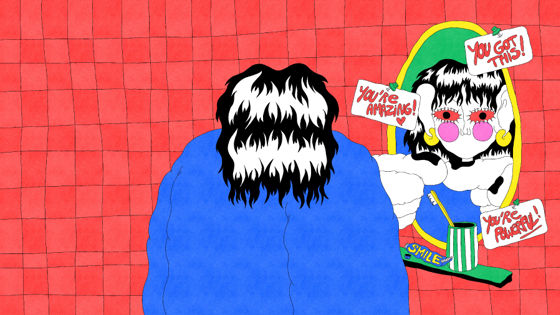
Bullying can make it hard to feel confident about yourself and who you are. But you have the right to be who you are and that should always be respected. There are lots of ways to build confidence after bullying:
- Remind yourself about who you are and what makes you proud
You could write this down, draw a picture, make a poem or just say it in front of a mirror. - Talk to someone you trust
When you feel accepted by someone you care about it can help build your confidence if you decide to tell other people. - Think about what makes you unique
We all have differences and can learn a lot about each other if we talk about stuff like our hobbies and what we enjoy. If we were all the same, the world would be a really boring place! - Find other people who might be going through similar feelings
You can join local clubs or look for support groups online.
Build your confidence after online bullying
feel like
nobody would
understand
Other types of prejudice
People sometimes talk about transphobia and homophobia when they’re describing any prejudice against LGBTQ+ people. But there are other types of discrimination as well.
Biphobia
Biphobia is a fear or dislike of people who are bisexual (attracted to boys and girls). Just like homophobia, it's a form of discrimination.
Sometimes bisexuality is seen as being just a phase. Or that they should 'make their minds up'. But all of these ideas are biphobic.
There are lots of bisexual people in the world. And it's normal for some people to be bisexual. If someone is biphobic, that's a form of discrimination.
Heterosexism
Heterosexism is when people believe that straight (heterosexual) relationships are the ‘norm’ and are better than LGBTQ+ relationships. Heterosexism is a form of discrimination.
Discrimination in sport
Everyone has the right to take part in sport. There are lots of clubs and sports that are accepting of LGBTQ+ people but some young people do experience discrimination.
Sometimes people will say homophobic things thinking that it’s just ‘banter’. But homophobia is never okay.
When someone is transitioning, they should have access to appropriate changing facilities and should be supported to be able to continue to play their chosen sport.
If you’re feeling excluded or discriminated against it’s important to talk to someone. This could be the coach, or someone you trust that could help support you. If you’re not sure who to talk to you can speak to us.
There are ways to report homophobic abuse without anyone knowing it was you who made the report. If you're at a football match and see homophobic abuse (or any other kind of discrimination), you can use the Kick It Out app to report what happened.
Get more support
This site is protected by reCAPTCHA and the Google Privacy Policy and Terms of Service apply.