


Call 0800 1111
ADHD
If you have ADHD there’s always support available and ways to manage it to make things easier.
What is ADHD?
Everybody's brain works differently, it’s natural for there to be differences in how our brains work. This is called neurodiversity. For some people their brains work in a way that is called Attention Deficit Hyperactivity Disorder (ADHD). One in 20 young people have ADHD. There are 3 main characteristics:
Hyperactivity
This is where you have lots of energy, find it hard to sit still, need to move or fidget and may have problems sleeping. Perhaps you find it hard to take part in activities quietly.
Impulsivity
This is an inability to manage thoughts, feelings and actions. Maybe it’s hard to think about the consequences of your actions. Perhaps you blurt answers out and find it difficult to take turns and not interrupt others.
Inattention
This is difficulty concentrating and remembering things. This could mean that you’re easily distracted, disorganised, are forgetful and lose things.
All young people will have these characteristics to some degree but they will be stronger in young people with ADHD.
There is always support available and it is possible to learn how to manage ADHD so you can make things easier.
Famous people who have ADHD include:
- Michael Jordan - Basketball Player
- Simone Biles – Olympic Gymnast
- Michael Phelps – Olympic Swimmer
- James Arthur – Singer
- Sam Fender – Singer
- Emma Watson – Actor
- Ryan Gosling - Actor
What should I do if I think I have ADHD?
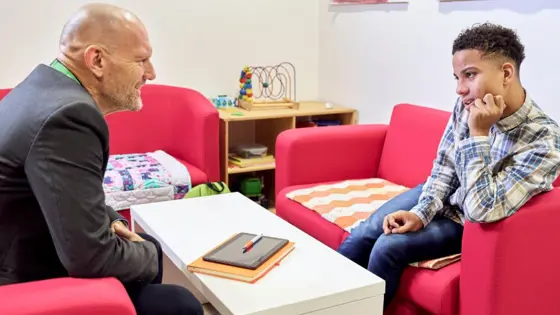
Only a specialist can tell you for sure if you have ADHD. As a first step think about the things you're struggling with and how you would like to be supported. You can then talk about this to an adult you trust such as a parent, teacher or school nurse. It may make it easier to write down what you want to say first and our conversation starter could help with that.
If you then want to get an assessment you can speak to a trusted adult such as a teacher, school nurse, school counsellor or youth worker who should be able to organise this for you.
What happens in an ADHD assessment
The assessment will be done by an ADHD specialist who will interview you and your parent or carer. They will ask about your symptoms and about how you are at home. They may also ask your parent or carer about your development, such as what age you were when you learnt how to read.
They may also talk to a teacher about how you are at school. You may also need to do a computer based test that will test your hyperactivity, impulsivity and inattentiveness.
The specialist will diagnose whether you have ADHD or not and will get you the right support.
Feeling nervous about having an assessment
You could feel worried about having an assessment, but please remember that the specialist is there to help you and make sure that you get the right support. You can always talk to them at the beginning of the assessment about things you may be feeling nervous about.
You may be feeling worried about having to talk about your feelings. The specialist will only ask you about how you are feeling and not why you feel this way. The assessment isn’t a counselling session.
You may feel embarrassed about being diagnosed with ADHD. It may take some time to get used to. Having ADHD is nothing to feel embarrassed about, everyone’s brains work differently. Having ADHD comes with lots of strengths such as having hyper focus and being diagnosed means that you can get the support that you need.
On the other hand you may feel worried about not being diagnosed with ADHD. This can make it hard to make sense of why you’re struggling with certain things. Your specialist can recommend what support you can get. If you’re struggling at school then if you tell a teacher then your school should support you with your needs even if you don’t have a diagnosis.
Please remember that however you’re feeling and whatever’s happened Childline is always here for you.
The strengths of having ADHD
Having ADHD means that your brain works a bit differently which can be a strength. It can give you hyper focus on certain things, for example NBA champion basketball player Michael Jordan has said that his ADHD helped him stay focused on the basketball court and his hyperactivity also helped. Singer-songwriters Sam Fender and James Arthur have described the hyperfocus ADHD gives them as being like a superpower that helps them with their songwriting.
ADHD can help you be more creative and Olympic Champion gymnast Simone Biles’ ADHD has helped her think outside the box and she has created new gymnastic moves that are named after her. Another strength of having ADHD is it can make you very compassionate and empathetic.
What to do if people aren't supportive
Sometimes parents or carers may not be supportive of you being assessed for ADHD. There are some misconceptions that ADHD is a behavioural problem, when it isn’t it just means that your brain works a bit differently.
You don't have to deal with this alone, there's always support available. You can talk to someone at school that you trust such as a teacher and ask them to speak to your parent or carer. You can tell your teacher what’s making you think that you may have ADHD and they can then observe these things and then tell your parent or carer what they have observed.
If you find that it’s your teacher that isn’t supportive of you having an ADHD assessment, then you can try talking to another teacher or another staff member like a school counsellor or a school nurse. If you are struggling at school then your school has a duty to support you.
You can also always talk to Childline for support.

How to manage ADHD
There are many things you can do that can really help you manage your ADHD. If you have been diagnosed you can speak to your specialist about the best things to try. Here are a few things that could help:
Healthy living
Eating healthily, exercising regularly and getting good regular sleep.
Stress reduction
You may find certain times of the day stressful such as when you’re getting ready to go to school or when you come back home from school. It can help to be aware of this and have ways of lowering your stress. Our Calm Zone is full of things, like breathing exercises, that can help you feel more calm.
Organising yourself
Set reminders on your phone for things you need to remember to do. Put a copy of your school timetable in your bedroom and kitchen wall to remind you of what you have coming up.
Talk to your friends
Tell them that you have ADHD and this means that your brain works a little bit differently. This could mean that you forget things, are impulsive or find it hard to be organised and get somewhere on time. You don’t mean to upset anyone because of this and you are trying your best to manage it.
Talk to your parents or carers and teachers
They are there to support you, so you can always tell them things you are finding difficult or are struggling with and they can find ways to help make things easier for you.
Remember you can also always talk to Childline about anything that you are struggling with.
Having a family member or friend with ADHD
It can sometimes be hard having a family member or friend who has ADHD. It’s important to remember that they can’t help some of the things they do and you’re not alone. If you’re struggling to cope then talking to your parent or carer could help. They may not be aware of how you are being affected and telling them the things you’re struggling with can help them to support you better. Our conversation starter can help make this easier for you. You can also talk to Childline any time.

More advice


This site is protected by reCAPTCHA and the Google Privacy Policy and Terms of Service apply.