
Call 0800 1111
Fake news and misinformation
Sometimes, people put views and engagement over the truth – especially on social media. So knowing what's real, and what's not, can get tricky. We want to help you spot the fakes, and give you advice on what to do if misinformation is affecting you.
What is misinformation?
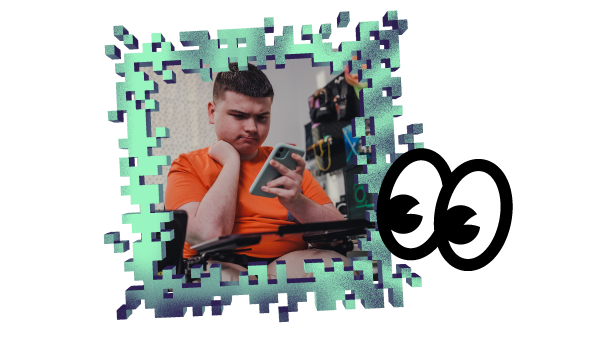
Not everything you see online is going to be true, even if it’s shown to you like it’s a piece of news. Misinformation can include fake news, clickbait, or ragebait.
Ragebait in particular is often created to make people feel extremely angry or upset about a topic, a group of people, or a world event.
To get people to engage with their content, or agree with their worldview, lots of people exaggerate or lie about things online. You can see this in the news, or in content posted by influencers. Both of these sources can have strong biases. And seeing too much of these biases can lead to us ending up in echo chambers – where we only hear one side of a story.
It’s important to know about misinformation because it can have a really negative impact on us. It can lead to making poorly informed decisions, believing incorrect advice, or spreading false narratives. By being aware of misinformation, we can help ourselves and the world we live in feel better informed, less divided, and more resilient.
How to spot fake news and misinformation
It’s not always easy to tell whether something online is real or not, but our tips can help you fact check and think about what you’re seeing.
Take some time before you react
Lots of people spread rumours online. Sometimes a picture could be posted with a made-up story, or with language to try and grab your attention.
Consider the bias
Being biased is when someone prefers or dislikes something or someone. Lots of news sources and influencers can be very biased. And we can even be biased ourselves. But biases can influence how people talk about or report certain stories or events. So it’s a good idea keep these biases in mind.
Check the source
Look at the name of the website or profile and see whether it looks real. Try to find out whether there’s any evidence to back up what’s being said, or if it’s been confirmed on news websites you trust.
Look at the date and other information
Lots of older posts and news articles might have out of date information, even if the site updates it to a recent date. If you’re looking at a picture, check to see if there’s anything that doesn’t make sense or that doesn’t look real.
Ask someone you trust
Always get a second opinion when you’re not sure. Try asking someone you trust, or speak to a Childline counsellor.
If you’ve been sent something and you’re not sure if it’s real, avoiding sharing it with others or commenting to make sure you’re not spreading false information further.

clickbait articles
are so convincing!
now I always check the
source
How misinformation can impact you
Misinformation can affect us in lots of ways. Coming across misinformation might make you:
- Feel confused about a piece of news or topic.
- Struggle to believe trustworthy news sources.
- Fall for a dangerous prank, hoax, or scam.
- Feel differently towards others around you, particularly if you feel you might hate them or feel angry.
If you’re finding that your views are radically changing from those around you, it’s a good idea to speak to others around you and hear others’ points of view. This can help you figure out if you’ve been hearing too much misinformation, or news that is heavily biased.

What to do if misinformation has affected you
It’s normal to feel upset when people post fake news stories, especially if they might be targeted at certain groups of people or be about something you care about. But there are ways you can look after yourself.
Don’t engage straight away
Remember, before you react or comment on something, that engaging can help spread the news further. Instead, you could report the content, and speak about it with someone you trust.
Unfollow accounts that constantly post this content
If you’re noticing that certain accounts are always posting this kind of upsetting content, it’s OK to unfollow them. You don’t need to follow anyone that makes you feel bad while you’re online.
Take scrolling breaks
If you’re seeing too much upsetting content or fake news, it’s always a good idea to take a scrolling break. Distract yourself with something you love doing, like playing or game or going for a run.
Talk to someone
You can always talk to a trusted adult if you feel affected by misinformation.
Feeling sad or angry about something you've seen online?
Try these breathing exercises to find your calm.
Deep calm

Breathe in for 4 seconds
Hold for 7 seconds
Breathe out for 8 seconds
Repeat 4 times
Calming words

Breathe in while you say to yourself "I feel calm"
Breathe out while you say to yourself "I let go of stress"
Breathe in while you say to yourself "Feel calm"
Breathe out and say to yourself "Let go of stress"
What to do if your friend is falling for fake news
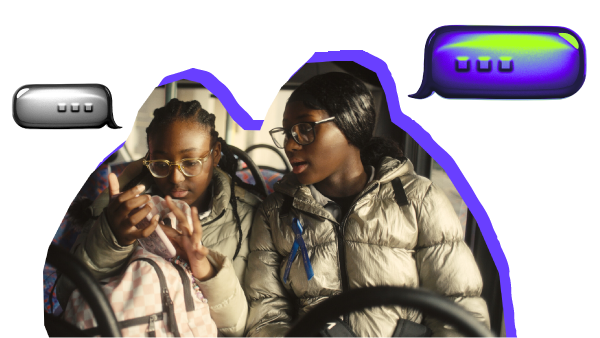
If you're worried about a friend, you can always try to speak to them about the situation. You could show them different new sources, or help them see different sides of a story or argument.
You can always speak to someone outside the situation, like a teacher or another friend who can help you to get a second opinion.
And our counsellors can also help you chat through your options and make decisions that work for you.