
Call 0800 1111
Send a message to Childline

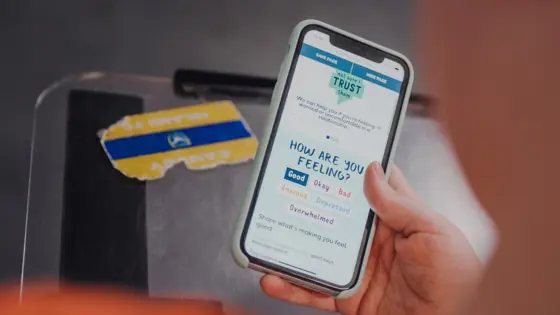
Writing a message to Childline is a great way to get your feelings out. You can take your time, ask for advice, and talk about anything you want to.
Send a message
Send a message to Childline any time from 8am-8pm and we’ll reply within a day.
Need help straight away? Remember that you can use 1-2-1 chats or phone for free on 0800 1111 anytime.
Did you know?
22% of our counsellors play video games.
Our confidentiality promise
Childline is a safe place to talk. Whenever you speak to us it’s confidential and we won’t tell other people what you’ve said. We only might need to say or do something if:
- you ask us to
- we believe your life or someone else's life is in danger
- you're being hurt by someone in a position of trust who is able to hurt other children like a teacher, religious leader, sports coach, police officer or doctor
- you tell us that you're seriously hurting another person
- you tell us about another child who's being hurt and is not able to tell someone or understand what is happening to them
- we're told we have to by law, for example for a court case.
Tips for sending a message
Sending a message is free, and we’ll usually reply within a day. Writing to a counsellor can give you the space to say what you want and to ask questions.
You can say as much or as little as you feel able to. If you’re not sure what to write, you could start by including:
- A little about yourself, like your name and how old you are
- What’s been happening or what’s on your mind, and how it makes you feel
- Any questions you might have, and what you’d like to happen in the future
- A title that says what you’d like to talk about
You don’t need to write a lot if you don’t want to, but it can help to include all the information the counsellor might need to know. If a counsellor needs to ask for more information, it can take longer to get help.
When can I use messages?
Messages are currently open from 8am-8pm every day. You can send a message any time while they’re open. Even when messages are closed, you’ll be able to read replies from the counsellor.
How long will it take to get a reply?
We usually reply to messages within a day, but sometimes this can take a little longer.
Remember, you can speak to a counsellor directly any time by phoning for free on 0800 1111 or by having a 1-2-1 chat.
Can I reply to messages when they’re closed?
You’ll still receive replies to messages when they’re closed, but you won’t be able to reply until after they open again.