Page Utilities
Change wallpaper
Help
Accessibility

Transgender identity

Transgender is a word used to describe different types of gender identity, such as gender dysphoria, and transvestism. Gender dysphoria is a condition where a person feels that they are trapped in the body of the wrong gender. So a boy would feel that he is actually a girl trapped in a boy's body, and a girl would feel she is a boy trapped in a girl's body.

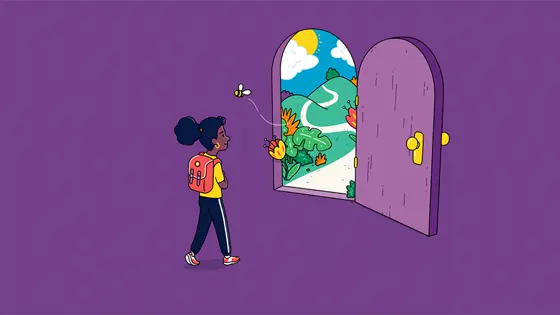
Feeling trapped in the wrong bodyImage of a girl stepping out of a boy's body

People who have had gender dysphoria for a long time are known as transsexuals. Some people become aware of transsexual feelings as children while others discover their feelings later in life.

How will I know if I’m transgendered?

The symptoms of gender dysphoria usually begin to appear at a very young age. These might include a girl not showing any interest in typical girl’s clothes or toys or a boy refusing to take part in activities normally associated with boys. For a lot of children, this may just be a normal part of growing up, but in cases of gender dysphoria, it continues as the child becomes a teenager, and then an adult. It isn’t known what causes gender dysphoria, but it is accepted as a medical condition in the UK.

To be officially diagnosed as having gender dysphoria, you must strongly want to be, or believe you already belong to the opposite gender. It’s important to take time to think about who you really are and find ways to express yourself.

Changing your body

People who have gender dysphoria sometimes also wish to change their body to look like their preferred gender through surgery and hormone treatment. This is called 'gender reassignment' and you may be able to transition at any age, with or without medical treatment. In teenagers puberty can be blocked at about age 16, possibly followed by some hormones before age 18.

Gender reassignment surgery is sometimes commonly, but wrongly referred to as a sex-change operation.

Do all transsexual people have surgery?

No - some transsexual people decide not to have surgery as the results may not give them what they want. Others may not want to undertake the risks that can come with surgery. Some transsexual people are unable to have surgery for medical reasons.

Before you can have surgery, you must live as a member of the opposite gender for at least a year, and then take hormones for at least another year.  The hormones cause breast development in biological males, and cause beard growth, a deeper voice and muscle development in biological females.

Transsexual people are sometimes classed as pre-op or post-op to categorise them as being before or after reassignment surgery.

Many transsexual people can live happier and more fulfilled lives following hormone treatment and gender reassignment surgery.

  • Is transgender the same as being gay?

    No. Transgender is not a sexuality. Your gender identity is about whether you feel male or female, whereas your sexual orientation is about who you are attracted to.

    Transgender issues are often linked to lesbian, gay and bisexual issues, mainly because of shared experiences of visibility, exclusion and discrimination, although transgender identity is a completely separate aspect of identity.

    Transgender people can be lesbian, gay, heterosexual, bisexual or asexual.

  • Are transsexual people like drag queens and transvestites?

    No. A drag queen – or drag king – is someone who dresses up as a member of the opposite sex for performance or fun.

    A transvestite is a person who likes dressing up in clothes of the opposite sex but doesn't feel that they're in the wrong body.

  • What does ‘transition’ mean?

    Transition is the journey a transgendered person takes from the gender they were born with to the gender they feel is their actual gender.

    Some transgendered people make this change very quickly, while others make it gradually. Transition will impact on all areas of a person’s life – such as within their family, friends, school and work.

    Some transsexual people will take hormones as part of the transitioning process.

  • What does ‘Intersex’ mean?

    A person with an Intersex condition was born with genitals and/or internal reproductive organs which are not clearly male or female. Doctors may make a decision to assign a gender for them shortly after birth.

    A person with an intersex condition might later realise that the gender they were given at birth is not their true gender and may then decide to go on the journey of transition.

  • How do I tell someone I’m transgendered?

    Only you can decide when the right time to tell someone about your transgendered identity might be. Consider how you get on with your friends, parents, carers, or other family members before telling anyone anything. Some of your friends and family will be supportive, but others might be surprised, shocked or hostile. 

    It’s important to get support from an adult in your life, as you would need it to help you with the journey of transition. You would also need an adult to help you access medical support, including hormone treatment.

    Apart from ChildLine, you can contact Mermaids - a charity that supports transgendered young people and their parents or carers. Mermaids might also be able to put you in touch with a youth group in your area.

  • What is Transphobia?

    If someone you tell is negative or hostile, it is usually because they don’t understand what transgendered identity means. This attitude is called Transphobia.

    Transphobia exists because our society tends to promote gender-role stereotypes for boys and girls. These stereotypes include opinions on how boys and girls should act, what they should look like, what clothes they should wear and what is ‘normal’ behaviour for boys and girls. 

    These attitudes are usually influenced by family, the media and society in general and they help explain why some people with gender dysphoria may face prejudice and misunderstanding.

    Because of transphobia, it is important that you keep yourself safe. Think through all of the possible consequences of what might happen if you tell someone about your transgendered identity and how you might cope with any reactions you might face. Remember you can always call ChildLine for support – our counsellors will listen to you and never judge you.

  • How do I get to see a gender specialist?

    The best way to see a gender specialist is to speak to your GP and see if they can refer you to one.

    There is also an NHS Clinic which anyone under the age of 18 can be referred which can help.

    You can also contact the charity Mermaids who support transgendered young people and their parents.

  • The Law

    The Gender Recognition Act enables transsexual people and people with gender dysphoria to marry in their preferred gender and obtain a new birth certificate and passport stating their preferred gender.

    The Gender Recognition Act is also designed to protect the rights of transgendered people.

Other sites that can help

A charity that supports transgendered young people and their parents or carers.
Visit the Mermaids website

Transgender

Feel like you are trapped in the wrong gender? Get support and advice from the ChildLine community in the new Transgender Identity message board.

Transgender Identity message board

Ask Sam

Write Sam a letter about what's worrying you or look at what other people have asked. You don't have to sign up to send Sam a letter

Ask Sam

Was this helpful?

Did you understand this information about Transgender? If not, how could it be improved?


Transgender identity