


finally
opening up

Call 0800 1111
Sexual abuse
Sexual abuse is never your fault, if you’re experiencing it or you know someone who has then we’re here to help.
What is sexual abuse?
Sexual abuse is when someone is forced, pressured or tricked into taking part in any kind of sexual activity with another person. It could be online or in person, and it can happen to anyone.
Sexual abuse can include:
- being pressured or forced to do something sexual or have sex
- someone flashing or exposing themselves to you in person or online
- being pressured or told to share sexual images or videos of yourself
- being sent, shown or given sexual pictures and videos, including porn
- being given things or made to feel like you owe someone something sexual
- doing anything sexual without your consent
Rape and sexual assault are types of sexual abuse, as well as sexual harassment. Whatever’s happening, we’re here to support you. You can speak to Childline any time.
6 facts about sexual abuse
- anyone can experience abuse, regardless of their sexuality or gender
- sexual abuse is never your fault
- someone can be sexually abused or assaulted by someone they know, in a relationship or by a stranger
- sexual abuse can happen online or in person, and can involve anything sexual
- you're not alone and there are people who can help you.
Not sure if it's abuse?
Lots of young people who’ve experienced sexual abuse can feel confused or unsure about what’s happened. But even if you’re not sure, you can still get support.
You can talk to Childline about anything that might be happened. You can tell our counsellors as much or as little as you want, they can help you to understand what’s happened and get support if you’re ready.
Getting support with sexual abuse
Talking about sexual abuse can feel difficult sometimes, but you should never have to cope alone. Telling someone what’s happened can help you get support and stop what’s happening.
If you've been sexually abused and you're not sure how to talk about it, it can help to:
- Pick someone you trust
It could be a teacher, someone at school, an adult in your family or a Childline counsellor. We’ve got lots of advice on how to talk to an adult you trust. - Write a letter
Saying things out loud can be hard, but writing it down can help. You could write a letter yourself or try using our template to help you get started. Having a letter can be a good way to start a conversation. If you’re not sure, you could write to us first. - Pick a time
Think of a time when you can talk privately or ask the person you trust for some time to talk. You could also choose a safe way to give them a letter. - Get support afterwards
Choose something to do after you try to tell someone, and make a plan for ways to cope if you’re struggling after talking. - Remember that Childline is always here for you
Start a 1-2-1 chat, send us a message or call for free on 0800 1111.
Worrying about talking
It’s natural to be worried about what someone might say, or whether things could get worse.
Even if you’re worried about talking to people in your life, you can still speak to us. At Childline, we’ll always believe and support you. We won’t tell you off and we’ll help you to take your time.
Reporting the abuse to a teacher, police officer or doctor
When you tell a professional, they have a duty to pass on what’s happening to someone like a social worker.
A social worker is there to help keep you and your family safe, and they’ll want to work with you to make the abuse stop.
Will Childline tell anyone?
Childline is a safe place to talk. Whenever you speak to us it’s confidential and we won’t tell other people what you’ve said.
We would only consider saying or doing something if:
- you ask us to
- we believe your life or someone else's life is in danger
- you're being hurt by someone in a position of trust who is able to hurt other children like a teacher, religious leader, sports coach, police officer or doctor
- you tell us that you're seriously hurting another person
- you tell us about another child who's being hurt and is not able to tell someone or understand what is happening to them
- we're told we have to by law, for example for a court case.
Not sure how much you are ready to share? That’s okay, you can say as much or as little as you want to.
Try talking to a counsellor about your worries or read more about our confidentiality promise.
Will I need proof?
It’s always important to tell someone what’s happening.
If someone has sent you messages or you have other proof then it can help to show those to someone you trust, but you don’t need evidence to get support.
Making a safety plan
If you’re in danger or you need support straight away, you can always call 999.
A safety plan can help you know what to do if you feel unsafe at home or with someone else. It can help to make one if you’re worried about being hurt or if you think something might go wrong. A safety plan includes all the information you’ll need in an emergency.
Your plan could include:
- who to call - this could be an adult you trust, Childline or the police
- safe places you can stay if you have to leave home, and a plan of how to get there if you need to travel
- things you’ll need in an emergency, like medication or a phone charger
- what to do if you’re caring for someone else.
Get more advice and a template to make a safety plan.
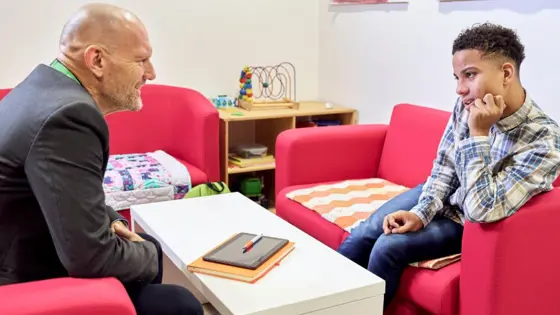

Coping after abuse
Abuse can have a big effect on you. Lots of young people talk to Childline about struggling with difficult memories, their relationships or with how they’re feeling.
Even if the abuse has stopped you deserve to get support, and you can speak to a counsellor any time.
You’re not alone, and we’ve got lots of advice to help:



Helping someone else
If you’re worried about a friend or someone you know, it can help to talk to them about it. Remember that someone might not feel able to share how they’re feeling or what’s happening, but showing that you care can make a big difference.
Even if someone won’t talk to you, it can help to encourage them to tell a trusted adult, or talk to us about what’s happening.
Remember, if you’re ever worried about someone’s safety then it’s important to get help. In an emergency you can always call 999, but you can also talk to Childline about anything you’re concerned about.

This site is protected by reCAPTCHA and the Google Privacy Policy and Terms of Service apply.