Call 0800 1111
Rape and sexual assault
Being raped or sexually assaulted can leave you with a lot of difficult feelings, but we're here to help you.
What to do if you've been raped
Remember that what happened isn't your fault. You have nothing to be ashamed of. There's no right or wrong way to feel after it's happened, but you don't have to cope alone.
Talking about a rape or sexual assault can be really difficult, but it's important to get support.
Getting advice doesn't always mean you have to report what's happened, you can get support from:
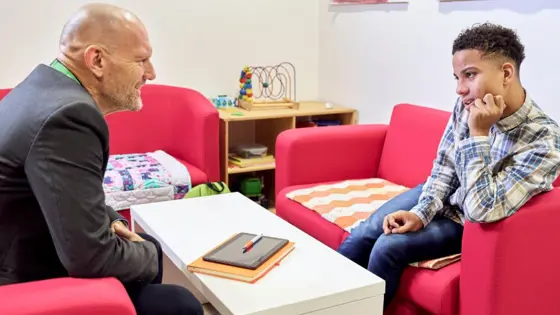
A Childline counsellor
The Childline counsellors are always here for you and want to help. They speak to lots of young people every day. They will never judge you. Our counsellors will listen and help talk you through your options. Talk to a counsellor now.
Rape crisis
There are different centres around the UK where you can talk with someone face-to-face in a safe environment:
A doctor or nurse
It's important to get medical help as soon as possible. This way, a nurse or doctor can make sure that you and your body are okay. Read more about seeing a doctor.
A police officer
Rape and sexual assault are crimes. The police can help make sure that you're safe and can support you. Find out more about reporting rape.
Someone you trust
This could be a teacher, parent, grandparent or carer. Get advice on having a difficult conversation with an adult.
Things to remember:
- it's never too late to tell someone. Talking about what happened can help you move forward
- it was not your fault
- if you're feeling scared and vulnerable, Childline is here for you on 0800 1111
- rape can happen to anyone.
at first i thought they
wouldn't
BELIEVE ME
What is rape? (WARNING - Explicit language)
Rape is when someone forces their penis into another person's vagina, mouth or anus (bottom) without consent. This can happen to any gender, including boys and girls.
Rape is against the law. If you're not sure whether it's happened, you can get support.
When 2 people have sex, it’s really important that they both give their consent. This means that they both want to have sex, and both agree to it. And they both have the right to change their mind at any time. You can say ‘no’ even if you’ve had sex with that person before.
Rape can happen in a relationship. If you’re in a relationship, you both need to agree to have sex. Being forced to have sex is rape, whether it is with your partner, family, friend or somebody else.
What happens when I tell the police?
If you talk to the police they have to take you seriously. Every situation is different. But talking to them means there is a chance that the person who raped you could be caught and possibly sent to prison.
If you have been raped recently, the police will often start with collecting some evidence. This usually involves taking swabs or samples from your clothing. Even if the rape happened a while ago, they will want to support you.
The police will also ask for a statement about what happened. Even if you feel embarrassed about some parts or can’t remember, it’s important to tell them as much as possible.
It’s a really good idea to ask a friend or an adult you trust to come with you to talk to the police so they can support you. It’s also okay to ask for a male or female police officer, if you would feel more comfortable with someone who is the same sex as you.
Why didn't I try to stop it?
If you were raped by somebody you know and trust, they might have made you think that it was okay. This can be called grooming - when somebody forms a friendship with you and then slowly starts to control you. They might have said that you agreed to it or that it’s your fault. If this has happened, it was not your fault no matter what they have told you. You trusted them and they have taken advantage of that trust. Sometimes grooming can happen online too – find out more.
Some people use violence and threats which can cause you to freeze up in fear. Rape is a really scary and shocking experience which can make it impossible to fight back.
What if I felt some pleasure?
It’s natural for your body to react to sexual touching. It is the way our bodies are designed and some feelings can happen even if you don’t want them to. It doesn’t mean that you enjoyed it or it was your fault. It is just a normal reaction. And it can happen to both girls and boys. Experiencing pleasure during rape could be a confusing thing to deal with. But remember that you have done nothing wrong.
I was drinking or taking drugs when it happened. Is it my fault?
No. it wasn't your fault. Drugs and alcohol can make it harder to say no. Rape is never okay.
Drugs and alcohol can leave you feeling confused about what’s happening, and your judgement can be affected. You might not feel as strong or able to get away from someone trying to hurt or rape you.
Taking drugs or drinking alcohol doesn’t mean that you ‘asked for it’ or ‘deserved it’. What they did was very wrong, no matter what the situation was.
I can't remember what happened. What can I do?
If you think you or a friend has been drugged, it’s important that you get medical help straight away. You can talk to NHS 111 by calling 111. They can help you and give you advice on what to do next. Or you can call 999 for urgent help.
A nurse can do a urine test to see what type of drug (if any) was used and make sure that you’re okay. If you have been drugged, they may advise you to tell the police so they can be aware of it and help prevent it from happening to somebody else. Read more about seeing your doctor.
It's scary telling somebody that you think you've been raped. But it's not your fault. And support is available. Telling someone is often the first step to feeling better and getting help with the situation.
How can I help a friend?
Your friend is likely to feel very scared and confused. The best thing you can do is to talk to them and let them know that you are there for them.
Try and encourage them to tell a trusted adult about it. This could be a teacher, nurse, your mum or dad or one of our counsellors. Find out more about helping a friend.
What is sexual assault? (warning - explicit language)
Sexual assault is when somebody intentionally touches you in a sexual way without your consent (permission). For example, if a friend’s brother forces their hand onto your private parts when you don’t want them to – this would be sexual assault.
If somebody forces their fingers or an object inside of you (either your vagina or bottom) this is also assault. Both girls and boys could be sexually assaulted by either males or females.
How rape and sexual assault can make you feel
It’s normal for rape or sexual assault to lead to different feelings and emotions. You could be feeling:
Shocked: You might feel ‘numb’ or surprisingly calm about what happened. You might feel shocked and like you can’t understand what happened.
Embarrassed: You might be worried about what people will think and how you will tell them. Read about embarrassment.
Guilty: You might think that it was your fault – even though this isn’t true. You could be angry at yourself for not stopping it. But you shouldn’t be angry at yourself.
Scared: You might have flashbacks or nightmares and feel frightened about being alone. This is a natural reaction. And it’s likely that this will get better over time.
Angry: You might want to hurt the person responsible. You may also feel like this towards yourself – even though it wasn’t your fault.
Depressed: You could feel hopeless or sad - like you don’t have anything to look forward to anymore.
Sexual abuse: how we can help
feeling
pressured
Getting support with STIs and pregnancy
It's not always easy to tell whether you've caught a sexually transmitted infection (STI) from someone, but it's important to get help if you have been sexually assaulted.
Your doctor or a sexual assault referral centre can give you confidential support with what's happened and can test you for STIs. If you're worried. It can be difficult to think about, but if you think there's a chance you might be pregnant, they can support you.
Getting medical support doesn't mean that you have to report what's happened, and you can ask about confidentiality before you say anything.
Speaking to Childline is confidential, and you can talk to them about anything.

Staying safe from date rape drugs
If you take one (or someone makes you take one) they can make you feel dizzy, confused and helpless. This means someone can take advantage of you and make you do things you don’t want to do.
Date rape drugs don’t smell or taste of anything, so they could be given to you without you realising it. Someone could put it in your drink without you knowing. That’s why it’s really important to make sure you don’t leave your drink out of your sight at a party, club or gig. It’s also much safer to make sure you don’t let a stranger or someone you hardly know buy you a drink.
If you’re out or at a party:
DO
- keep your drinks with you at all times, even if you go to the bathroom
- buy and open your own drinks
- buy bottled drinks so you can keep your thumb over the rim in crowded areas
- go to parties with people you trust
- arrange how you will get back before you go out and let people know your plans.
DON'T
- take drugs if somebody offers them to you. They can have the same effect as the date rape drug and can make you extremely vulnerable
- let strangers buy you drinks
- let people pass you drinks to share or share drinks with others
- don’t drink from punch bowls (or ‘fish bowls’) that lots of strangers are sharing.
Other helpful sites:
Police UK will help in an emergency. Dial 101 to contact our local police station. Dial 999 in an emergency.
Rape Crisis (England and Wales) is free to call on 0808 802 9999 for and offers help and support.
Rape Crisis Scotland offers support and advice if you're in Scotland. It's free to call on 0808 801 0302.
Survivors UK (Male rape) supports men and boys who've experienced sexual abuse and rape.