


sometimes i get bruises
and it's hard to explain why

Call 0800 1111
Physical abuse
If someone deliberately hurts someone, that can be physical abuse. No matter what someone says, it’s never okay for someone to injure you on purpose.
Abuse is never your fault and getting help can keep you safe.
What is physical abuse?
Physical abuse is when someone hurts you on purpose. They could hurt you themselves, or with an object or weapon. It can include:
- hitting, smacking and slapping
- punching and kicking
- pinching, scratching and biting
- shaking or suffocating you
- scalding or burning you
- hair pulling
- spitting or throwing things at you
- making you swallow something that hurts or makes you feel ill, including giving you medicine when you're not ill or don't need it.
If you’re being hurt, abused, or you’re worried about what’s happening at home then you’re not alone. You can speak to Childline any time.
Physical abuse and the law
It’s against the law for someone to injure you on purpose for any reason, that includes things like bruises.
In England and Northern Ireland some kinds of physical punishment by parents and carers is considered legal, but only if it doesn’t injure or harm you. Any kind of physical punishment is against the law in Scotland and Wales.
It’s against the law for anyone outside of your home to hurt you physically.
At Childline, we always think it’s wrong for someone to hurt you. Whever’s happening, if you’re feeling scared or unsure then it can help to talk about it. You can get support from Childline any time.
5 things to remember:
- physical abuse is always wrong
- it’s never your fault if someone else abuses you
- telling someone else what’s happening can help keep you safe
- Childline is here to support you
- if someone threatens you or puts you in danger, you can always call 999.
Getting support with physical abuse
If someone’s hurting you or someone else, then it’s important to get support. You should never have to cope alone, and there are ways to get help:
Tell someone what's happening
Think about an adult you trust decide a good time to talk. You could even write things as a letter or a message if that helps.
Get support with injuries
Talk to your doctor or a school nurse about any bruises or injuries to make sure you’re safe.
Keep a diary of what's happening
If it’s safe to, try to write down what’s happened and when. This can help when you’re talking to someone to show what’s been happening.
Think about what you want
It can help to say what you want to happen, and to ask what will happen next when you do tell someone.
Get help in an emergency
If you feel immediately unsafe or you’re being threatened, then you should get help straight away. In an emergency, you can always call 999.
Whatever’s happening, Childline is here for you. You can get support from Childline any time.
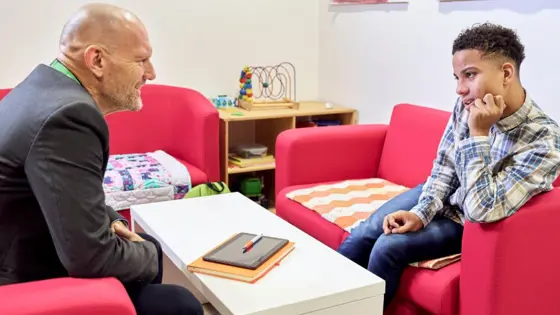
Making a safety plan
A safety plan helps you know what to do if you’re feeling unsafe at home. It includes all of the information you’ll need in an emergency.
It’s important to talk to someone you trust or to Childline when you’re making a safety plan. Remember, you should never have to cope with abuse by yourself.
Your plan could include:
- who to call, this could be an adult you trust, Childline or the police
- safe places you can stay if you have to leave home, and a plan of how to get there if you need to travel
- what to do if you’re at home and someone is making you feel unsafe
- things you’ll need in an emergency, like medication or a phone charger
- what to do if you’re caring for someone else.
Keep your plan somewhere safe and save it on your phone if you feel safe to.
Coping after abuse
Physical abuse can have a big effect on you, it can be hard to cope with and you might feel like it’s your fault when it’s not.
Getting support from people you trust and Childline can help. You should never have to cope alone. There are a few things you can do that will help:
Talk about what's happened
What happened wasn’t your fault, and it can take time to start to feel differently. Talking about what’s happened to someone you trust and feel safe with is the best way to get help to cope. You should never have to manage alone.
Take care of yourself
Taking small steps every day to look after yourself is an important part of helping you to cope. It can help to work on a healthy routine that includes:
- Getting enough sleep
- Eating healthily
- Keeping active and spending time outside
- Making time to spend with people you feel safe with
There are lots of reasons you might struggle to make a healthy routine. If there are things that are stopping you, it’s important to get support. You could visit your doctor or get support from us any time.
Building your confidence and self-esteem
Abuse can have a big impact on your self-esteem. It can make you feel like you’re not good enough or like everything’s your fault when it’s not.
Building your confidence and self-esteem can take time, but you don’t have to do it alone. There are a few things it can help to focus on:
Challenge negative thoughts
Try to catch negative thoughts about yourself. If you start thinking that you’re not good enough or that things are your thought, take a moment and ask whether it’s actually true. It can help to think about what you’d say to a friend if they said it about themselves.
Make time for yourself
Allow yourself time to do things that are just for you and that you enjoy. It could be spending time with other people, watching something, or taking time to do something you love.
Do something new
This could be anything, from changing how you style your hair to trying a new club or activity. Trying new things and getting out of your comfort zone is a great way to build up your confidence.
Talk about it
Share how you’re feeling with other people. Not feeling in the mood to talk? It’s okay to say that, and to just spend time with people you care about.
Give yourself time
Be kind and patient with yourself, it can take time and space to start to feel differently and you’re not doing anything wrong if you need support.
Remember, Childline is always here to support you with how you’re feeling. Get more advice on building confidence and self-esteem.

Helping someone else
If someone is behaving differently to usual or they’ve got marks or bruises, this could be a sign of abuse. It’s not always easy to tell if someone is being hurt, but it’s good to support someone if you’re not sure.
There are lots of ways you can help someone if you’re worried. It can help to:
- let them know that you care and say if you’re worried about them
- give them time to talk, and listen to them without judging of blaming them
- help them get support from an adult, or if they’re not ready then help them speak to us
- tell an adult you trust if you’re worried about someone’s safety, even if they don’t want you to
- get support for yourself if you’re struggling.

Get more support


This site is protected by reCAPTCHA and the Google Privacy Policy and Terms of Service apply.